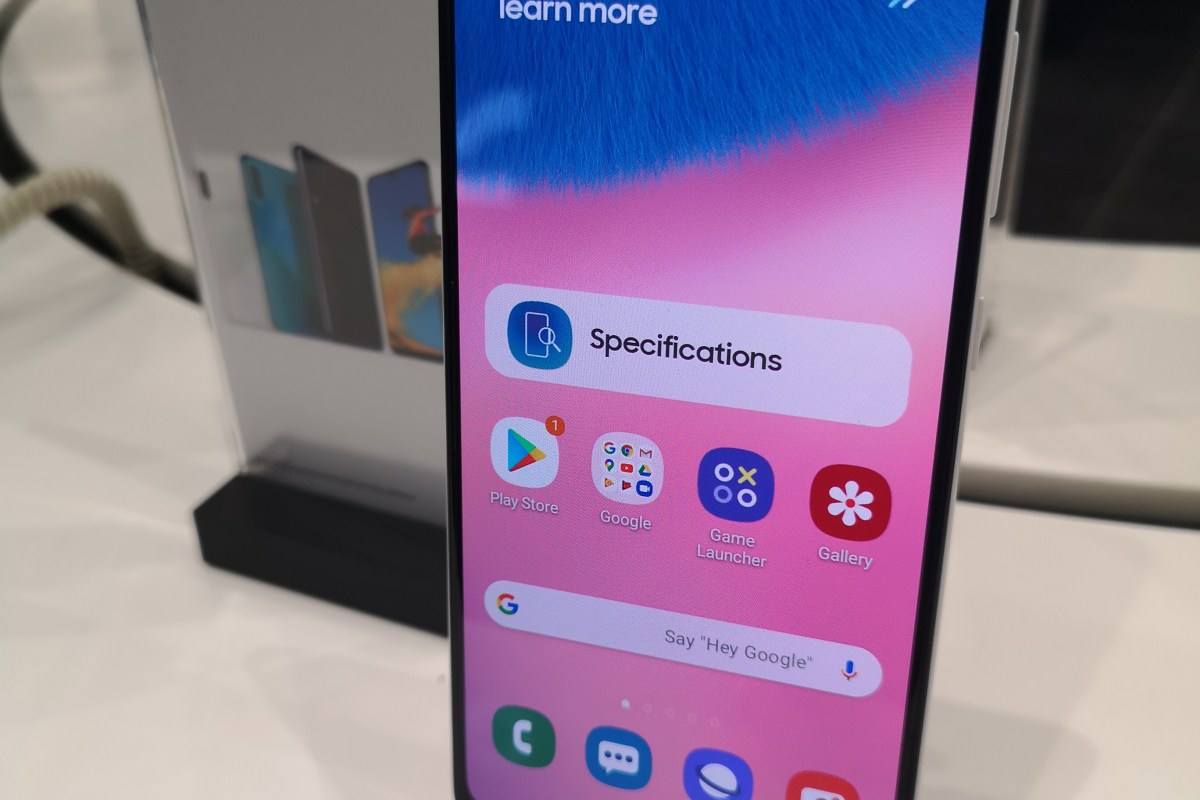
Review: Samsung Galaxy A30s

A30s.jpg

Not everyone needs a flagship. That is the mantra that circulated in my head when I got the Galaxy A30s in my hand. (Disclaimer: the unit was a loaner from Samsung Malaysia) The experience of using the phone is like many of the modern Samsung phone – mostly smooth, without jarring lag or slowdown – unless you load it up with multiple tabs in Chrome that is.

IMG_20200221_182104.jpg

Underneath the somewhat plasticky exterior is a decent machine that everyone can use out of the box. The Exynos 7904 is not one of the high-end chips to power any device, but the octa-core build of the processor gives the A30s more than enough juice to run any app you need it to. The 6.4-inch screen is super AMOLED,  just like most Samsung phones out there, and while it is only a HD screen, (720 x 1560 pixels), it is more than enough display photos and video with high colour fidelity thanks to the nicely saturated pixels thanks to the AMOLED technology.

You do get a generous 4GB of RAM and 64GB of storage for your stuff, and still you can expand with a microSD slot. Better yet, this is one of the few phones where you get two SIM slots and a microSD slot without the weird slot sharing you find in other Galaxy phones, so load up with your SIMs and a microSD up to 512GB!

Shooting with the cameras can be a dizzy affair, thanks to the multiple options you get with the A30s. There is a 25MP main camera with an f/1.7 aperture, the 8MP ultrawide sensor with an f /2.2 aperture, and a 5MP depth sensor, with an f/2.2 aperture. Selfies are handled by a 16MP f/2.0 sensor on the front, behind the Infinity-U teardrop cutout on the front. Both front and rear cameras records 1080p videos. The rear camera even records slo-mo video at 120fps at HD resolution.

Other cool stuff includes USB Type-C connectivity, a 3.5mm audio jack (unicorn, this is) and an underscreen fingerprint reader. Which is cool to have in a mid-range smartphone.

Using the Galaxy A30s can be challenging, especially for those with smaller hands as the 6.4-inch screen is tall and either finger gymnastics or two hands are needed to reach to the top of the screen.

Check out the sample of photos taken with the A30s below.

A30s-1.jpg
A30s - 5.jpg
A30s-4.jpg
A30s -2.jpg

Video taken with the A30 is also generally decent – it is not a 4K recorder, but for everyday use, the A30s is more than adequate to capture memories. The videos can be a bit soft depending on the available light so you need to be vigilant to ensure that the light is sufficient in getting the footage that you want.

All in all, the Samsung Galaxy A30s is a recommended smartphone for those looking for a good performer, without breaking the bank. Should buy one lah.

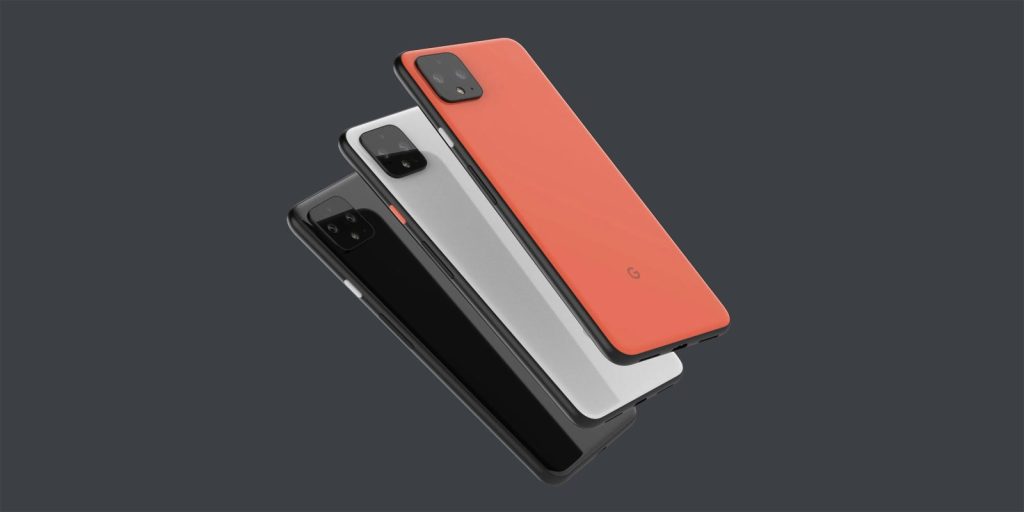
Google Pixel 4 and 4 XL Launches with 90hz Display, Paltry Storage, and a Trail of Leaks

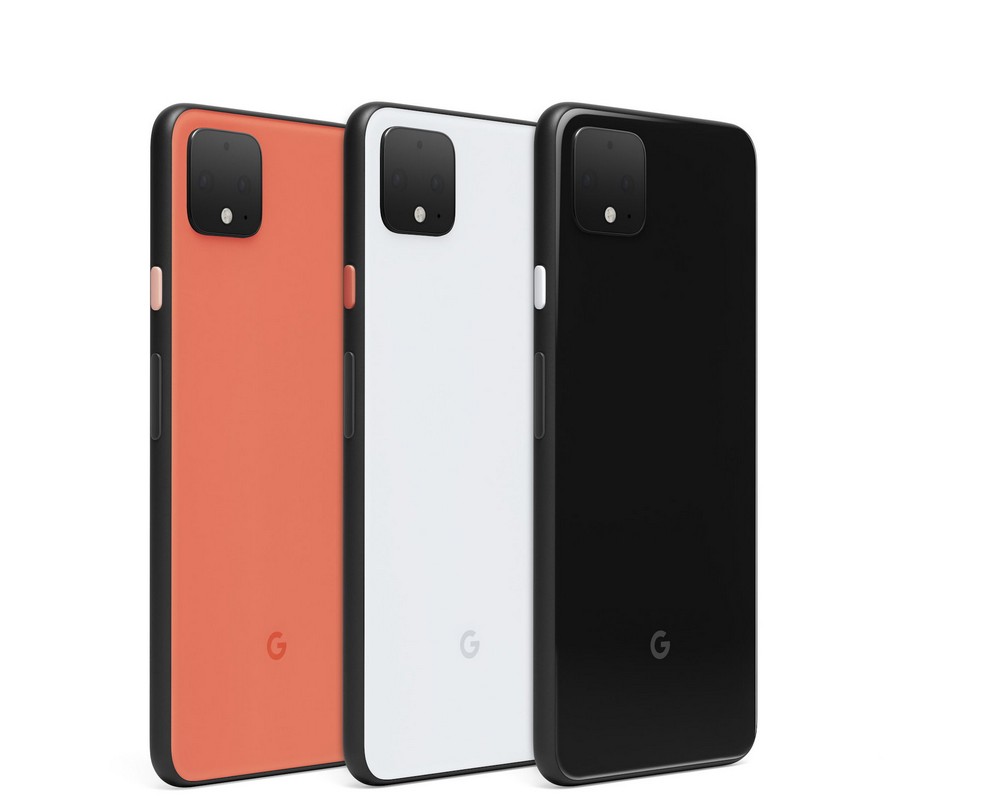
One of the most leaked phones in the market of 2019 is now official. The Google Pixel 4 and 4 XL has been launched, and it carries little surprise for those who has been following the leak trails online.

Like the leaks, the new Pixel 4 comes in two sizes – the smaller Pixel 4 and the larger Pixel 4 XL. Inside, the phone are similar. Both runs the Qualcomm Snapdragon 855 processor, runs Android 10 out of the box, and the new display. Google is calling it Smooth Displays, and both top at 90Hz for butter-smooth scrolling and usability. Plus, the phone is intelligent enough to switch between 60Hz and 90Hz automatically when needed.

One feature that may be gimmicky to some is Motion Sense. Using the built-in radar tech from the phone’s Soli’s chip, users can control the phone hands free without touching the screen. There are also two face-unlock IR cameras, a dot projector and flood illuminator next to the selfie camera, which allows Face Unlock biometric security.

Other noteworthy info includes the 6GB of RAM in both models 64GB (boo!) or 128GB storage options, and also a 2,800mAh battery for the Pixel 4 and 3,700mAh battery for the Pixel 4 XL. Imaging is handled by a 12MP Dual Pixel sensor and a 16MP telephoto lens for 2x zoom.

Want to get one? Get ready to cough up from USD799 (~RM 3346) for the Pixel 4version, or USD899 (~RM3767) for the larger Pixel 4 XL. No news if Malaysia will get it officially.

Analogue’s Pocket Is A Modern Handheld Console For Your Old Gameboy Games

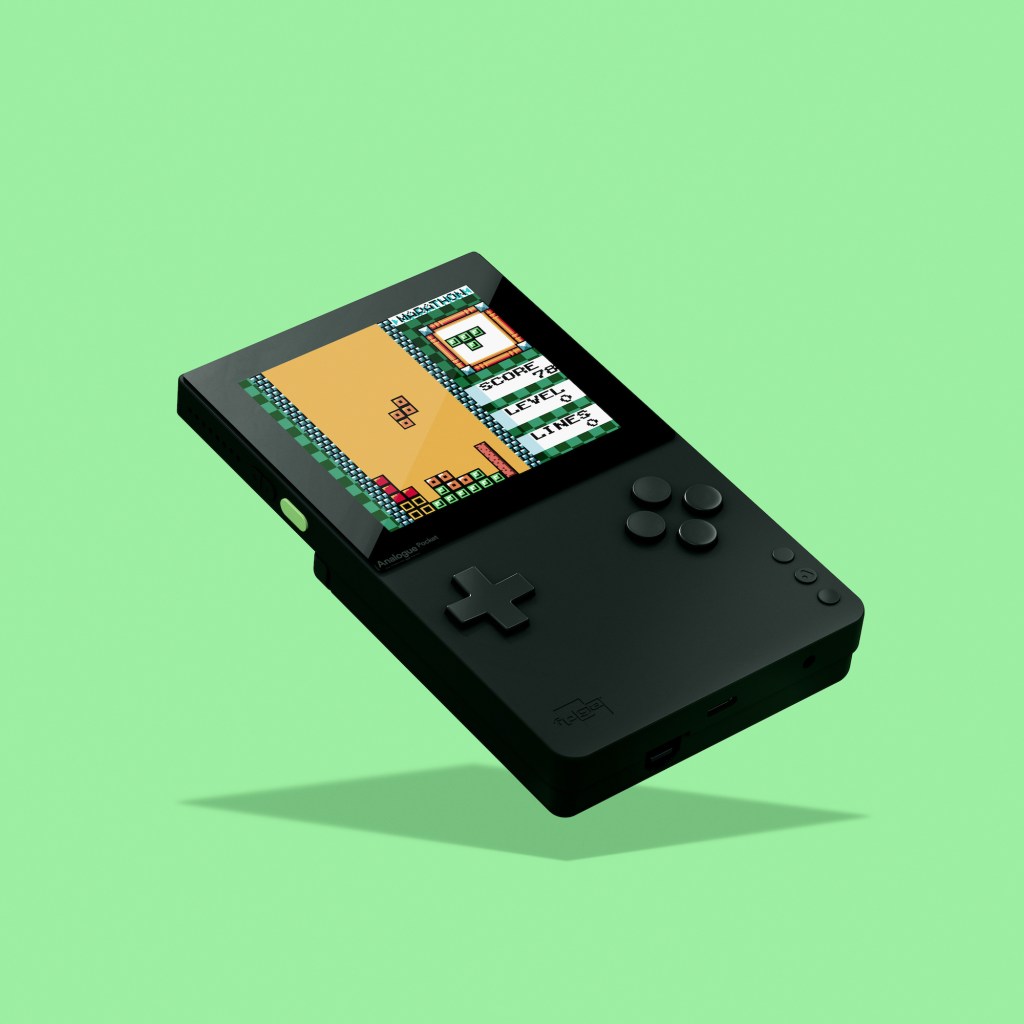
Analogue, a company known in creating new consoles based on old systems, has come out with their latest product. Pocket is essentially the Game Boy, designed for this decade.

The Pocket has a black piano finish, with the same size of the Game Boy Color. What makes this handheld amazing however is the support is has out of the box; not only it can play classic Game Boy games, but the cartridge slot can support Game Boy, Game Boy Color and Game Boy Advance cartridges. This is a game library of over 2,700 titles, and the display of the handheld is about 10 times of the original Game Boy.

Additionally, Analogue is also creating a dock for the Pocket that can connect to TVs/external displays, so you can play the original Tetris or Pokemon Green on the big screen TV. The built-in display is a 3.5-inch 1600 x 1440 panel with 665ppi. It charges/connects via USB Type C, includes an SD slot, and there is also a built-in synthesizer called Nanoloop.

In the future, Analogue also wants to support other handhelds. Adaptors for other devices such as Game gear, Neo Geo Color Pocket and others are in the works.

Analogue will be selling the Pocket in 2020, for the price of USD 199 (~RM 833), with the dock and adaptors sold separately.

ASUS ROG Phone 2 Is Officially In Malaysia

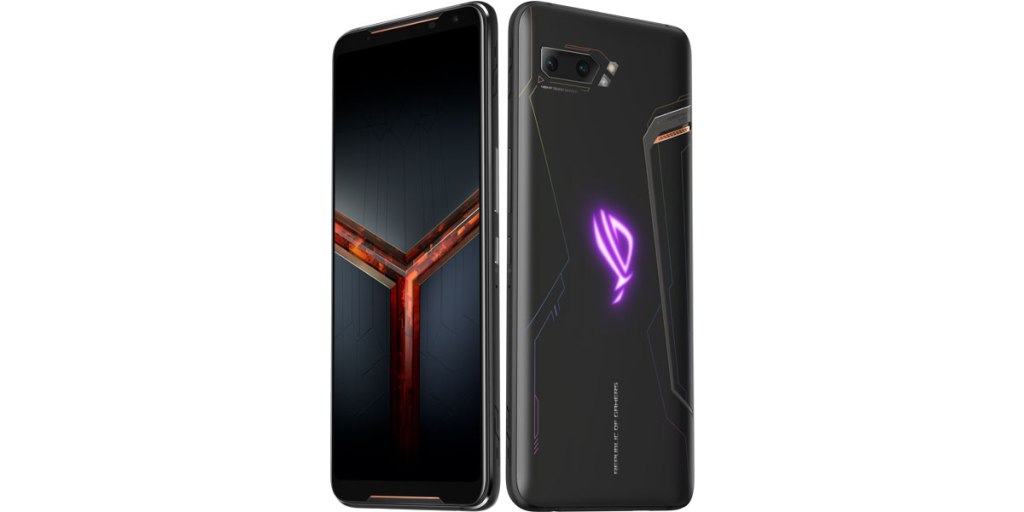
During a glitzy launch in Kuala Lumpur, ASUS officially announced the availability of the ASUS ROG Phone 2, the ultimate gamer phone. Not only it has the fastest mobile processor from Qualcomm, it is also kitted to let you game all day, everyday and everywhere.

Underneath the metal and glass construction is the Qualcomm Snapdragon 855+, clocked at 2.96GHz. The Adreno 640 GPU is one of the best to work with for mobile gaming, and thanks to optimized features and the updated GameCool 2 3D vapor-chamber cooling system, you can game for much longer than before.

Not only it has a fast processor, it has a fast screen. The first 120Hz AMOLED 10-bit HDR 6.59-inch display boasts a 1 millisecond response time for better touch performance for gaming. ASUS also has the updated AirTrigger 2 ultrasonic sensors for additional controls during games built-in. 12GBs of RAM will ensure that you will not run out frames when gaming. Powering everything is a beefy 600mAh battery for all-day (and more!) performance.

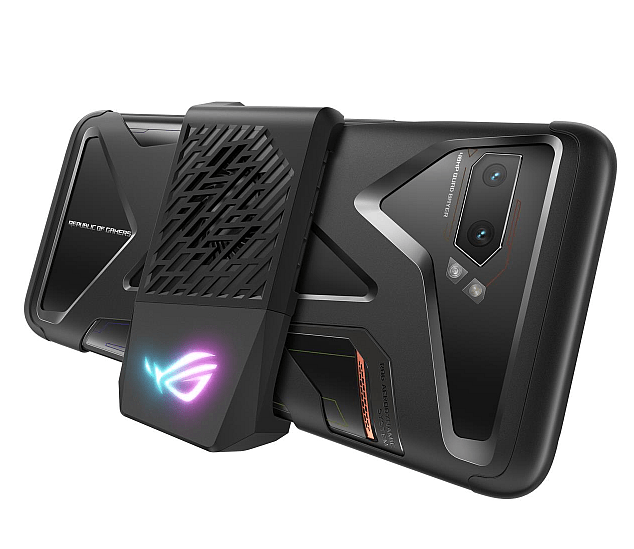
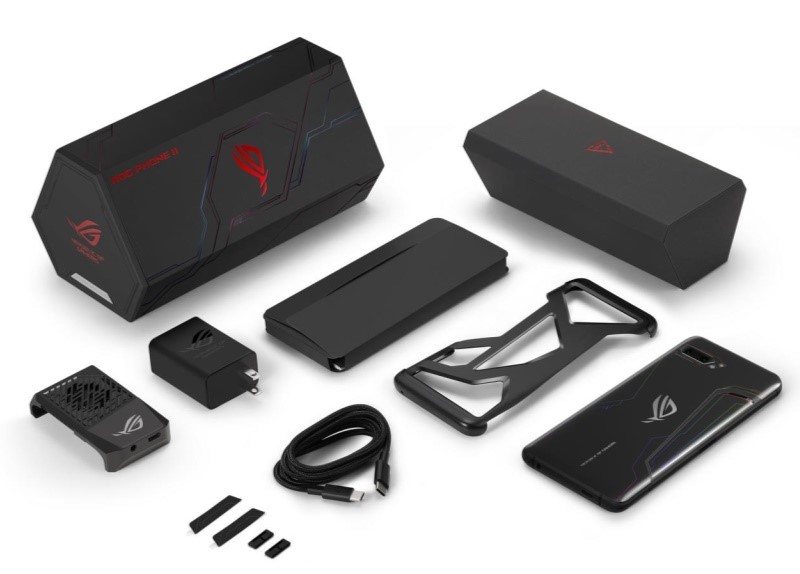
ASUS is selling two versions of the phone in Malaysia. The ASUS ROG Phone 2, with 512GB of internal UFS 3.0 storage will be retailing for RM 3,499. Meanwhile for those looking for more, there will be the ROG Phone 2: Ultimate Edition, which will be available from November onwards. This model ups the ante with 1TB of internal storage, which will go for RM 4,499. Both will come with the AeroActive Cooler 2 and Aero Case bundled in the box.

Sony’s New Imaging Sensors Will Be Organic And Have PDAF Built-In Respectively

Sony has shared that it will be sharing two new sensors at the upcoming 2019 International Electronic Devices Meeting (IEDM) in San Francisco. The new sensor may signal a new wave of photography technology and method coming our way.

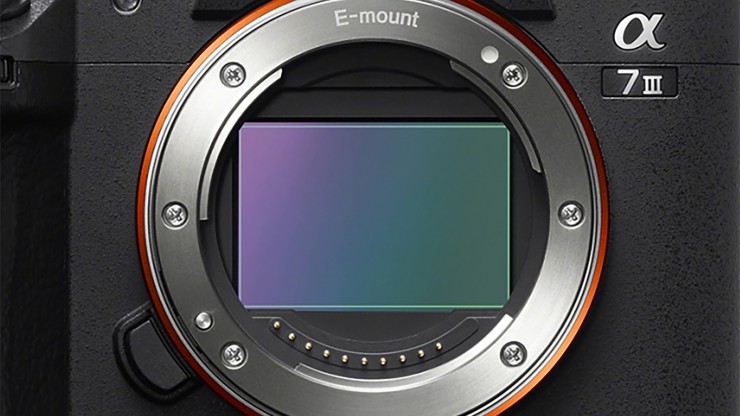
The company will actually present various sensors at the meeting, but two stands out in the pack – a quad-bayer 1/2-inch 48MP “All-PDAF” CMOS chip and an organic “Three-layer Stacked Color Image Sensor.”

For the first sensor, Sony says that the chip will be the ‘World’s First’ sensor to be both quad-bayer construction and have PDAF tech built in, designed for high-resolution capture and HDR, along with the AF working as low as 1 lux.

We created the world’s first all PDAF CMOS image sensor using 2×2 on-chip lens architecture. That had 1/2 inch 48M pixels with 0.8µm Quad Bayer coding for high resolution and HDR function, and all PDAF pixels achieved a minimum AF illuminance level of 1 lux.

Sony Semiconductor Solutions Corporation

Meanwhile the organic sensor can help with false colour problems when taking photo thanks to the triple stacked layer of colour filters – one each for red, blue and green.

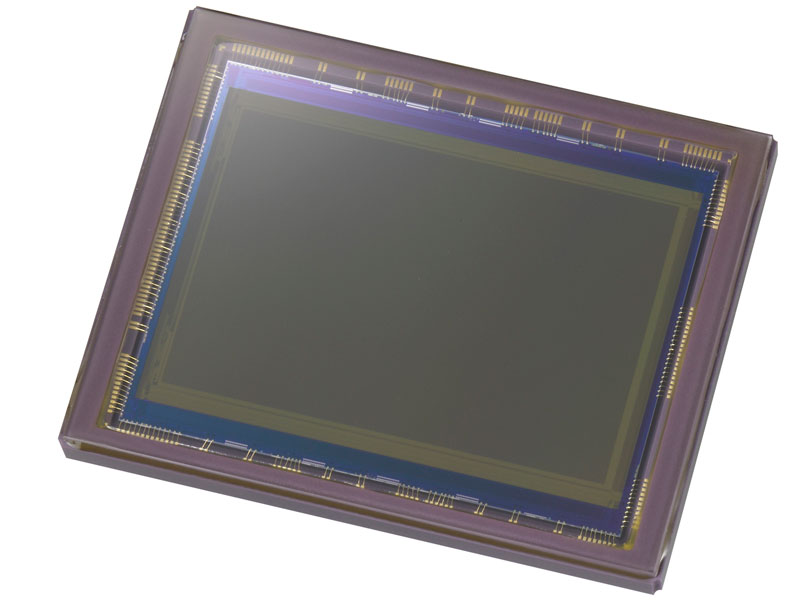
Sample of Sony CMOS Image Sensor

The two sensors may head to APSC, MFT and Full Frame sensors as early as next year, so we should be seeing some news coming out from CP+ 2020 in Yokohama, one of the biggest photography events in Japan. This news is great for photographers out there, looking to get more out of their images in the field.

OnePlus 7T Pro Delivers A Pop-up Selfie Experience, Curved Display and A Mclaren Model

After the launch of the OnePlus 7T, the company has followed up with a companion model. The OnePlus 7T Pro is different than the vanilla 7T. For one, it doesn’t have a notch – instead it comes with a pop-up selfie camera.

Inside, the OnePlus 7T Pro shares many similarities with the OnePlus 7T. Snapdragon 855 Plus, the triple camera setup and even USB Type-C fast charging. What is special with the phone is that it has a curved screen rather than a flat-top. Something like the Samsung phones – which is logical as the screen is an AMOLED display.

Video courtesy of Android Authority

Imaging is handled by the 48MP Sony IMX586 and 8MP wide-angle sensor, alongside an 8MP 3x telephoto sensor. The selfie is the same 16MP Sony IMX471 sensor and f/2.0 lens found in the 7T. The curved 6.67-inch Quad HD+ AMOLED screen has a pixel density of 516 ppi, 90Hz refresh rate and in-display fingerprint scanner as per the non-Pro variant. Plus, HDR10+ support. The battery is also bigger at 4085mAh (which is an odd capacity).

The OnePlus 7T Pro McLaren edition is basically the same phone, but features special McLaren colours and 12GB RAM instead of 8GB of RAM. Still limited at 128GB of storage with no microSD slots though.

Customers looking to buy the phone can get one – in India – for INR 53,999 (~RM 3,190) while the McLaren Edition is listed at INR 58,999 (~RM 3,485). No news if the phone will be heading to Malaysia as yet so far.

Xiaomi Adds On To The Redmi Family With The Redmi 8

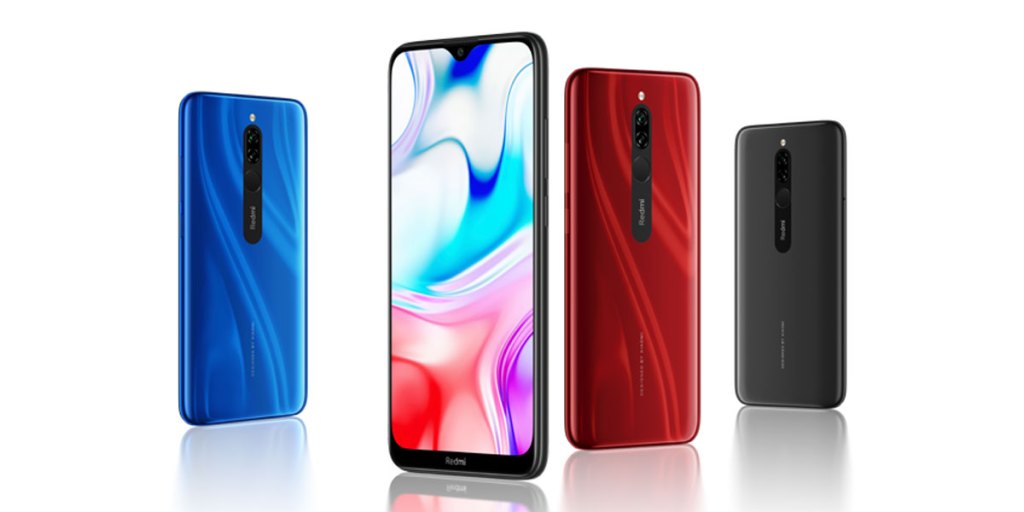
After the launch of the Redmi Note 8 and Redmi Note 8 Pro, it has officially launched the lower end device called the Redmi 8 (surprising? I think not). The new device is definitely designed for first-time smartphone owners coming from a feature phone or those looking for second phones for work.

Underneath the body is a Qualcomm Snapdragon 439 processor, paired to 4GB of RAM and 64GB of internal storage. The screen is a 6.22-inch HD+ display, so it fits the lower-end mature of the device.

Imaging is handled by dual cameras at the back and a selfie camera at the front. The back has a 12MP main sensor alongside a 2MP depth sensor. Selfies are taken with the 8MP sensor on the front.

What makes the Redmi 8 stand out is more to the power part of the phone. For one, it comes with a huge 5000mAh battery, and it supports fast charging via an 18watt charger – a first for this segment.

Xiaomi is pricing the 4GB/64GB model for RM 599, while the 3GB/32GB model will be priced at RM499. The higher spec is available from 12 October onwards, while the lower spec will come on sale a week later.

Nikon Announces The APSC Z50 Mirrorless Camera

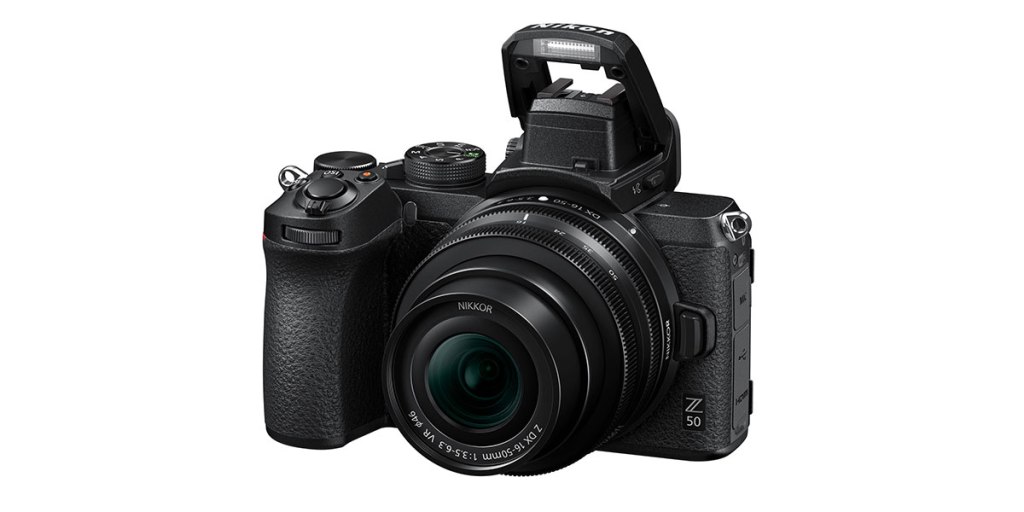
Nikon has unveiled its next mirrorless camera – the new Z50. This is the company’s first DX-format camera to use the Z-mount; yes, the new camera shares the same mount as the full-frame Z5/Z6 cameras.

Inside, you get a 21MP BSI CMOS APS-C sensor with on-sensor phase detection. Unfortunately, Nikon opted to remove any in body image stabilization (IBIS) to save on cost and weight. Speaking of which, the Z50 is a lightweight – at only 397 grams (body only), it will not fatigue owners carrying this around. Unless you have a heavy lens mounted on it.

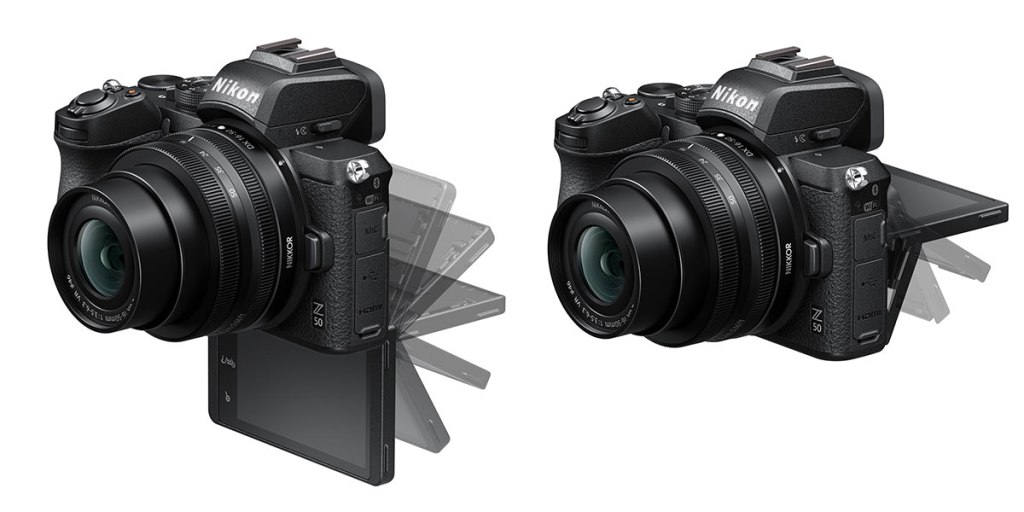
Composing photos is done using either the 3.2-inch touchscreen (which can flip to waist-mode or flip-down for vlog uses), or the 2.36million dot OLED EVF. Take note – the Z50’s flip-down screen will be in the way of the tripod mount – so vlogging with the camera will be a hand-held thing only unless you do not need the screen.

Powering the Z50 is the new EN-EL25 battery that CIPA rates at 300 shots, and the USB Micro (BOO!) port allows charging as well. Continuous shooting with the Z50 is rated at 11fps (with continuous AF). Videos are available in both 24p and 30p, but 4K video will be cropped. There is an external mic port, so great for additional microphones.

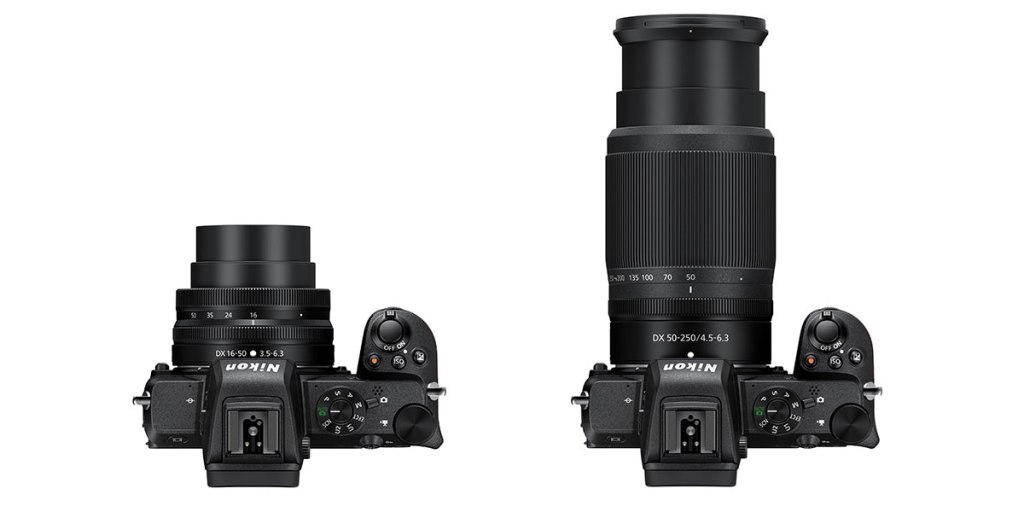
Nikkor Z DX 16-50mm F3.5-6.3 VR (left) and the Nikkor Z DX 50-250mm F4.5-6.3 VR lenses

The new Nikon Z50 will be available from November onwards for USD 859 for the body, or USD 999 with the new pancake 16-50mm lens. There is also a package for the body, 16-50mm lens and a new 50-250mm lens for USD 1349. The pancake Nikkor Z DX 16-50mm F3.5-6.3 VR offers up to 4.5 stops of image stabilization and has a built-in control ring. For longer reach, there’s the Nikkor Z DX 50-250mm F4.5-6.3 VR, which offers 5 stops of shake reduction and also has a control ring.

Playstation 5 Is Coming Holiday Season 2020

Through an exclusive interview in Wired Magazine, Playstation has confirmed that the Playstation 5 will be coming to store shelves in 2020 during the holiday season.

Inside the new Playstation 5, Sony has opted for some very PC-like parts. This includes a custom 7nm AMD Ryzen CPU and Navi-based AMD Radeon GPU, alongside solid state drive and support for 8K resolution. In the Wired interview, several nuggets of information has appeared, to further hype the upcoming new gen console from Sony.

This includes the presence of Ray Tracing, 4K Blu-ray support, 100GB optical disks, new UI for the dashboard, and more. The new Dualshock will also look more or less like the current line of Dualshocks, but with USB Type C, bigger battery and better speakers, alongside new button customization and tweaks.

Holiday 2020 is literally a year away, so we have until that point to break our piggy banks. No news if the Playstation 5 (which is the official name by the way) will have PS4 games backwards compatibility – here hoping this feature will be present in the launch model.

Essential Announced Project Gem Smartphone

Thanks to tweets shared by Andy Rubin and Essential, the head of Essential Phone, we have first looks of the next phone to come out the ex Googler’s company – and it is a unique design indeed.

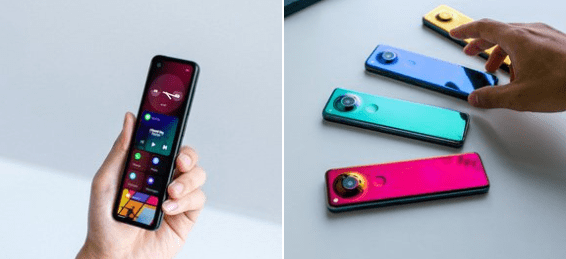
The phone from Essential looks unlike any other phone in the market in the past decade. It has a tall screen – even taller than Sony’s 21:9 screens. Another standout is that the phone is very narrow. It is like the Essential team took the external screen on the Galaxy Fold, and made it taller to make a phone.

Other stuff shown by the Essential team is the colourway of the new phone. Four options were displayed, with all four showing pearl colour-like changing for the paint job – like a gem. At the back, a single camera bump is seen, rather than the multi-camera trend sweeping the phone manufacturers.

Other than the design and colours, no other information was shared on the new phone. Not even the expected availability date. We may see the phone appear in selected markets sometime next year. It may take that long as well to polish the custom Android skin to work properly in a new form factor. 2020 will be an interesting year for phone design.