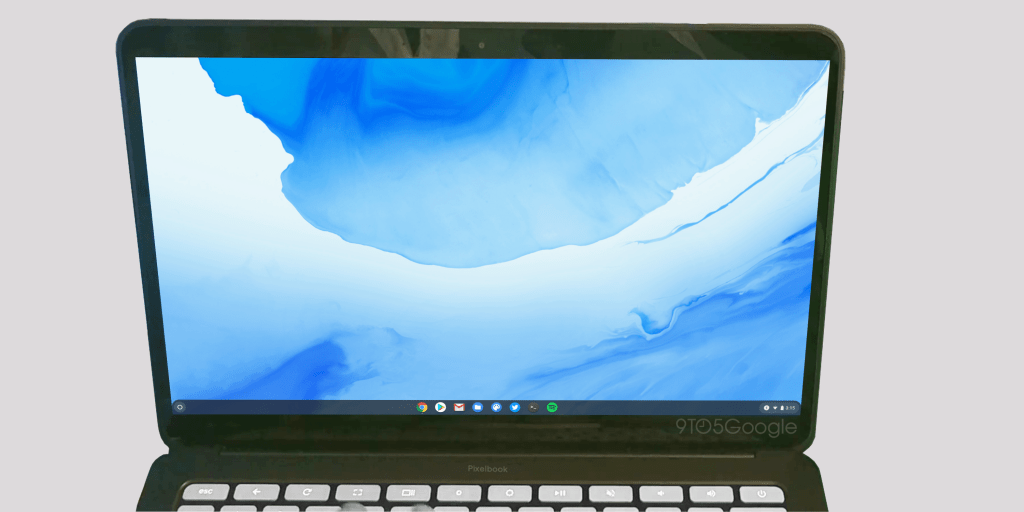
Google Pixelbook Go Is A Standard Clamshell Laptop

A new leak for Google’s next device has surfaced online, where the next Pixelbook details have been shared. The new Pixelbook, named Go, will not be a 2-in-1 device; instead it will be a standard clamshell laptop with a 13.3-inch 4K display.

The Pixelbook will still be running ChromeOS – so no surprise there. Unlike previous Google’s attempt for the Pixelbook lineup, this will go back to the original design that debuted with the original 2013 model. What is a bit different here is that the leaked design shows softer curves, rather than the harsh box design from back then.

9to5Google shared some preliminary specs for the device: there will be a 16:9, 13.3-inch touchscreen with options for either an FHD or 4K panel – a far departure of the 3:2 screens previously seen on Pixelbook devices. Internally, the new Pixelbook Go can be equipped with Intel’s Core m3, i5, and i7 processors; 8GB or 16GB of RAM; and 64GB, 128GB, or 256GB of storage.

Other features includes USB Type-C (with assumed USB PD charging), and a magnesium-alloy body for a lighter body weight. Google is having an event on October 15, where the Google Pixel 4 series will be announced. The new Pixelbook Go may also be showcased there as well.


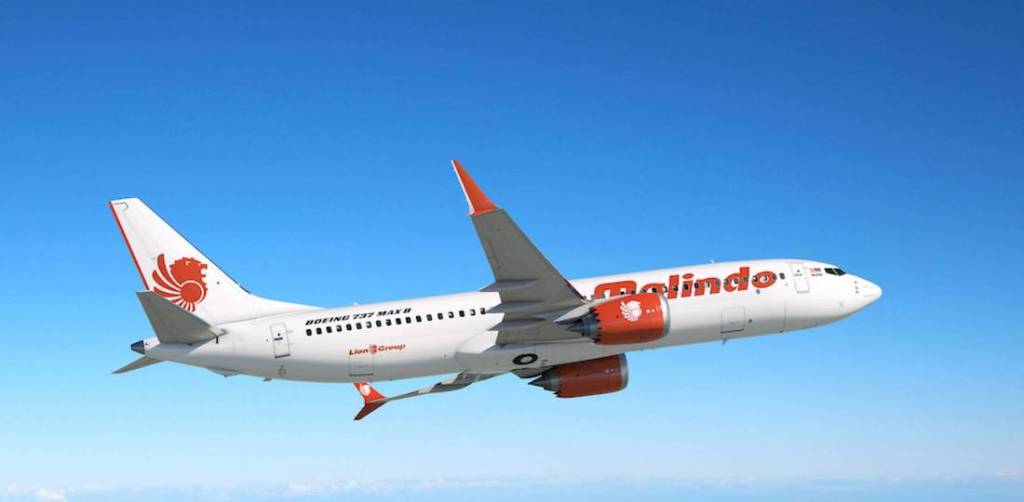
Malindo Air’s Data Breech Caused By Unscrupulous Ex-staff of Service Provider

Last week, Malindo Air was rocked with the discovery of their customer data leaked onto the dark web. Investigation was made, and the culprit was found out; a ex-staff of a third-party company they  contracted copied the data of their customers.

Two ex-employees of GoQuo (M) Sdn Bhd, Malindo Air’s e-commerce services provider have been identified as the culprits. Thankfully it is not due to the company’s infrastructure or the cloud service they are using.

The official announcement through their website also states that “Malindo Air has been working closely with all the relevant agencies including the Malaysian Personal Data Protection Commissioners and the National Cyber Security Agency (NACSA) as well as their counterparts overseas.”

The company has bought in data forensics and cyber security experts in to review all the airline’s existing data infrastructure and processes as a forward proactive measure. At the same time, Malindo Air has also initiated auto-reset of all customer passwords and cautioned customers to be wary of any suspicious and unsolicited calls and emails. Customers can reach out to customer_care@malindoair.com for further assistance.

Google Play Pass announced; Monthly Subs For Games And Apps On Google Play Store

A new service has been announced for the Android Play Store. The Google Play Pass gives subscribers access to ad-free apps in the apps store as well as sans any in-app purchases.

What makes this service different that Apple’s Acrade is that the Play Pass is for both apps and games, so a flat fee is all you need to get full access to full app support such as Stardew Valley, Monument Valley, Limbo, and Risk for games and AccuWeather/ Hi-Q Recorder for apps.

The new service may change how apps are purchased (or not purchased) in the app store. While apps can still be purchased individually, the presence of a flat-fee subscription service may mean that we may see less paid apps, and more sub-based app plans instead. A Netflix of Play Store in a way.

This may also be a double-edge sword as app developers could get lower revenue from their apps since the flat price structure will mean developers can’t charge higher prices for their apps. We will have to wait and see for this outcome in the near future – if it happens.

iPhone 11 Pro Slower Than Last Gen iPhones

A video created by enthusiast EverythingApplePro showed that the latest iPhone model, the iPhone 11 Pro, is not delivering the ‘Pro’ moniker. Specifically, the phone’s performance is lower than last generation’s iPhone XS.

The video shows a speed comparison between the iPhone 11 Pro, iPhone XS and the iPhone X. EverythingApplePro tested the initialisation speed for apps on the phones. A surprising discovery is that the iPhone XS catches up to the iPhone 11 Pro, with barely a second difference between the older model and the newer one.

In fact, the test further shows that the XS surpassing the 11 Pro with a significant margin as the test continues. This is compounded with heat problems that developed during the test; in particular, the 11 Pro heated up faster and hotter when compared to the XS in the same test.

One of the reasons that this performance difference is happening could be the low optimisation level of apps with the new A13 Bionic chipset. iOS 13 is also another possible factor as the new OS is in the middle of a bug complaint for users around the world – which is expected to be solved with the release of iOS 13.1

New Mates from Huawei Announced

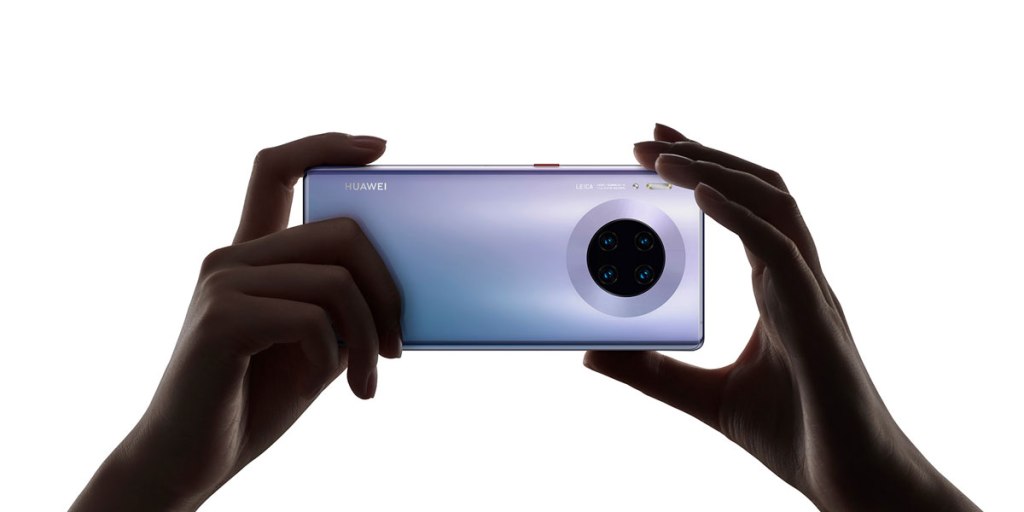
Fresh from Berlin, Huawei has unveiled a slew of entries in the Mate series. The new Huawei Mate 30, Mate 30 Pro and Porsche Design Mate 30 RS was launched amidst uncertainties surrounding the company.

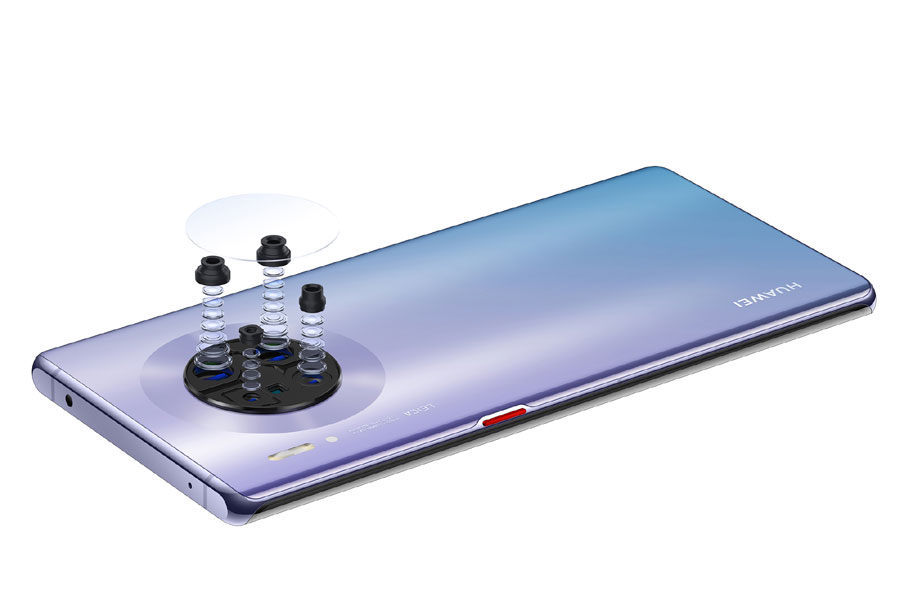
All three feature the latest Kirin 990 5G SoC – making it the first flagship from Huawei to support the next generation cellular connectivity. The phones also feature four cameras, which includes the SuperSensing Cine Camera, a dual-sensor camera system to create high quality photography and videography on the go. The Mate series also feature the OLED HUAWEI Horizon Display, that delivers better edge display than ever before.

The difference between the models are both cosmetic and functional. The Mate 30 Pro for example introduces the first side-interaction touch controls for Huawei. In place of buttons for volume, users can use a touch-sensitive strip to push up or down the volume for the phone. The position of the controls can also be customised easily – making this phone friendly for south paws.

Performance is powered by the new Kirin 990 chipset, that combine’s Neural Processing Units (NPU) with the standard octacore CPU in a 7nm fabrication process – making this the first 7nm chip with 5G modem built-in. Yep, the 5G modem is on the die rather than a separate chip.

Battery for the Mate 30 is rated at 4200mAh, while the Mate 30 Pro and Porsche Design Mate 30 RS share the same battery capacity – at 4500mAh. All three phones run EMUI 10 which is based on Android 10 and runs Huawei Mobile Services.

Photography is handled by a triple-camera system in the Mate 30, which comprises of a 40MP SuperSensing Camera, 16MP Ultra Wide-angle Camera and an 8MP Telephoto Camera. The Mate 30 Pro/ Porsche Design shares a quad-camera system that comprises of the 40MP Cine Camera, 40MP SuperSensing Camera, an 8MP Telephoto Camera and a 3D Depth Sensing Camera.

A new feature introduced with the Mate 30 series are gesture controls for contactless screen interaction, whereas AI Auto-Rotate and AI Private View are all designed to improve users experience.

The Mate 30 and Mate 30 Pro are expected to be in Malaysia sometime in November. No news for the Porsche Design for Malaysia as of yet.

Prototaip Telefon Nokia dengan Android Tertiris Dalam Talian.

Sebuah prototaip telefon ‘feature’ dari Nokia telah tertiris di dalam talian. Apa yang menarik mengenai telefon dari Nokia ini adalah ianya menggunakan sistem operasi Android.

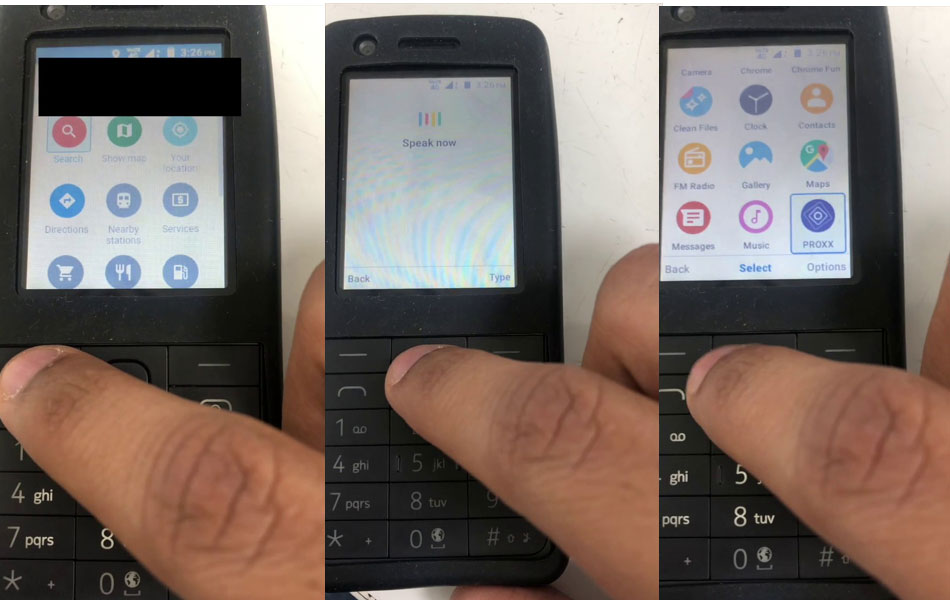
Di dalam video di XDADevelopers, antaramuka peranti tersebutmemang tampak seperti Android. Perbezaan ketara ialah cara mengakses informasi di dalam telefon- menggunakan butang D-Pad seperti telefon dahulu. Antara ikon yang boleh dilihat adalah Maps, Chrome dan juga tetapan Android.

Nampaknya peranti dan sistem operasi ini sepatutnya berada di bawah Android Go yang sememangnya sudah sangat asas. Ianya menggunakan Android 8.1, jadi prototaip ini telah dibina dalam dua tahun yang lalu.

Walaubagaimanapun, tak semestinya Nokia akan menghasilkan produk ini untuk pasaran- ianya sebuah prototaip. Akan tetapi, ini menunjukkan betapa fleksibel Android; jadi kita mungkin akan lihat produk seperti ini pada masa hadapan. Kata kuncinya ‘mungkin’.

Nokia Feature Phone Running Android Spotted Online

The unimaginable was unearthed online. A prototype device from Nokia was spotted running Android. What makes this find even more amazing is that the phone is a featurephone.

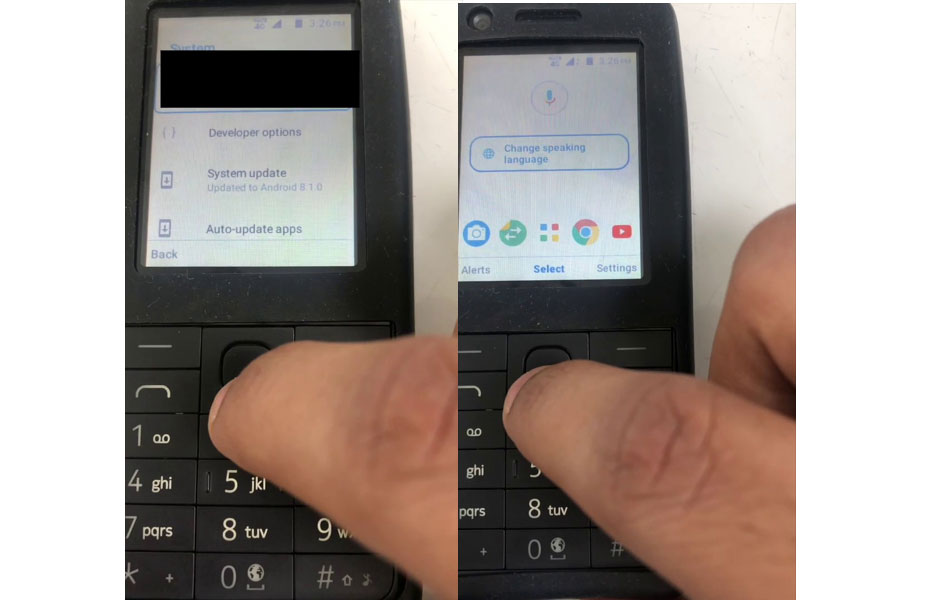
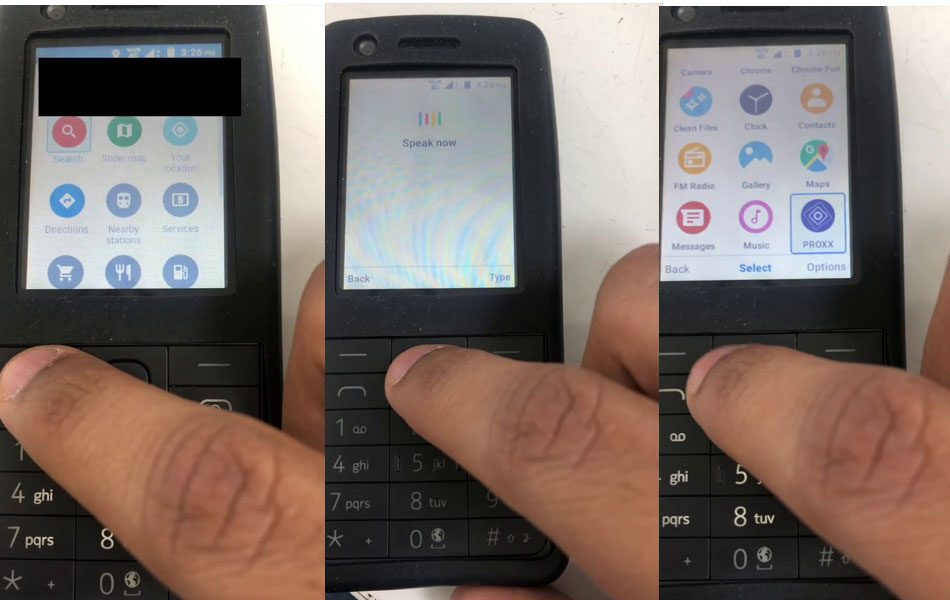
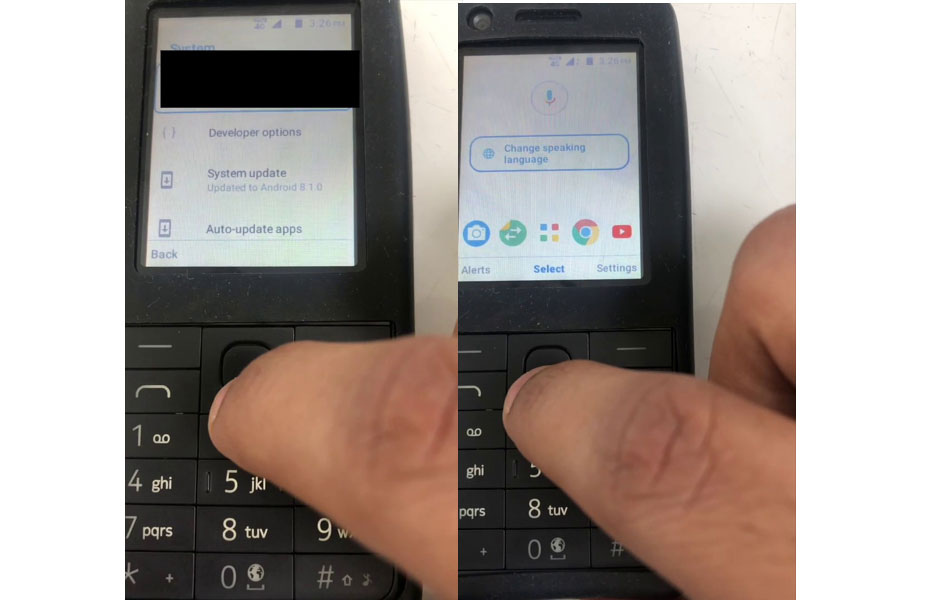
In the short video seen at XDADevelopers, the phone interface shows the typical Google Assistant, google Maps, Chrome and even the Android system settings. The UI is recognizable as Android, even if the elements were shrunk down to adapt to the smaller form factor and screen.

This prototype of Android looks to sit even lower than the already barebones Android Go. Even so, the build is somewhat up-to-date; it is based on Android 8.1 Oreo so the build was sometime within the last 24 months.

Left to right: Google Maps, Google Assistant, Android menu

The existence of the prototype doesn’t mean Nokia will be launching an Android Feature Phone anytime soon; It does however tell us that Android can actually be deployed to more platforms. Looking forward to possible new formfactors in the future – which depends if Nokia and/or Google are going to do something with it.

Iphone 11 Bucks The Trend By Going Mainstream

Apple announced a new entry into the iPhone family. The new iPhone 11 series brings updates to the iPhone family that has been seen on other manufacturers, but finally on the iOS line.

The iPhone 11 starts the lineup. It replaces last year’s iPhone Xr, carrying over a few components from that model including the 6.1-inch Liquid Retina display. It however adds a second sensor – a wide-angle sensor, a first for iPhones. It also features the new Apple A13 Bionic processor, touted as ‘Apple’s fastest’.

The second new model is the iPhone 11 Pro and Pro Max. Both models differs in screen size – the former is 5.8-inches while the latter is 6.5-inches. The two models also come with the A13 Bionic chip, and features triple cameras – a standard, ultra-wide and telephoto.

All three models are IP68 rated, and a first for apple, includes a fast 15W charger for the iPhone 11 Pro and 11 Pro Max.

The iPhone 11, 11 Pro and 11 Pro Max can be ordered in Malaysia starting 27 September, with pricing starting from RM 3399 for the 11, RM 4899 for the 11 Pro and RM 5299 for the 11 Pro Max.

AirAsia Akan Mempunyai Sambungan Wifi Yang lebih Laju

AirAsia, melalui ROKKI, telah mengumumkan bahawa mereka akan menaik-taraf perkidmatan WiFi mereka di beberapa perenerbangan yang terpilih.

ROKKI menggunakan platform Inmarsat Ka-band berkelajuan tinggi, GX Aviation, yang akan dipasang ke keseluruhan keluarga pesawat AirAsia sepanjang 2020. Ka-band lebih laju dan menawarkan perkhidmatan hiburan dalam penerbangan yang lebih dari biasa. Ia menyokong strim video masa-sebenar, strim musik dan banyak lagi.

Kandungan yang akan ditawarkan termasuklah filem, pemua, berita dan juga perkhidmatan membeli-belah. Malahan, GX Aviation membolehkan pengguna untuk berhubung dengan yang tersayang melalui panggilan Wifi dengan Whatsapp ataupun LINE.

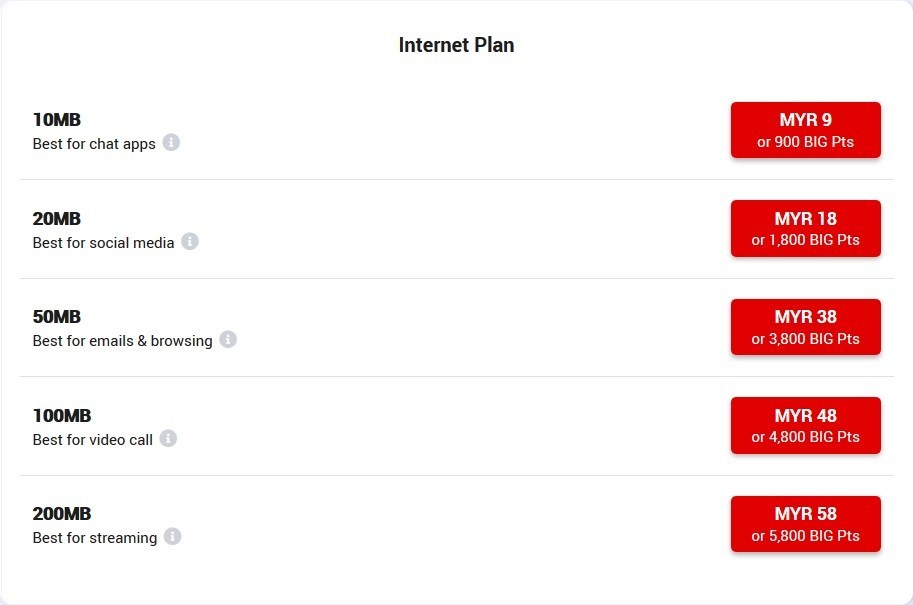
AirAsia menawarkan 10MB percuma untuk buat masa ini di penerbangan yang meyokong GX Aviation ini. Data tambahan boleh dibeli dengan harga berikut:

Gambar ihsan Lowyat.net

Buat masa ini tiada berita jika teknologi ini akan diperkenalkan untuk penerbangan AirAsia X; setakat ini, AirAsia Malaysia dan Thailand mendapat perhatian dahulu. Berkemungkinan ini akan diikuti dengan AirAsia Indonesia dan AirAsia Philippines)

AirAsia Inflight Wifi Gets A Boost Of Speed

ROKKI, the AirAsia inflight Wifi service, has just announced that they will be upgrading their services on board selected AirAsia flights.

The wireless connectivity arm of AirAsia now is using Inmarsat’s high-speed Ka-band platform, GX Aviation, which will be rolled out to the rest of the fleet over the next year. Ka-band offers an enhanced inflight entertainment and connectivity (IFEC) experience beyond basic broadband, supporting real-time video, music streaming and more.

Content on offer includes movies, music, games, news and even shopping. Plus, with the new Inmarsat connection, sustained connection makes possible in-flight Wifi to users on ground. Whatsapp/LINE calls can be made even when you are 35,000 feet in the air.

AirAsia is offering free 10MB to passengers onboard selected flights with the GX Aviation broadband. More data can be purchased based on the following list:

Image courtesy of Lowyat.net

No news if the system will be introduced to AirAsia X flights; for now the target will be AirAsia planes across the region (AirAsia Malaysia, Thailand, and possibly Indonesia and Philippines).