Review: Samsung Galaxy A30s

A30s.jpg

Not everyone needs a flagship. That is the mantra that circulated in my head when I got the Galaxy A30s in my hand. (Disclaimer: the unit was a loaner from Samsung Malaysia) The experience of using the phone is like many of the modern Samsung phone – mostly smooth, without jarring lag or slowdown – unless you load it up with multiple tabs in Chrome that is.

IMG_20200221_182104.jpg

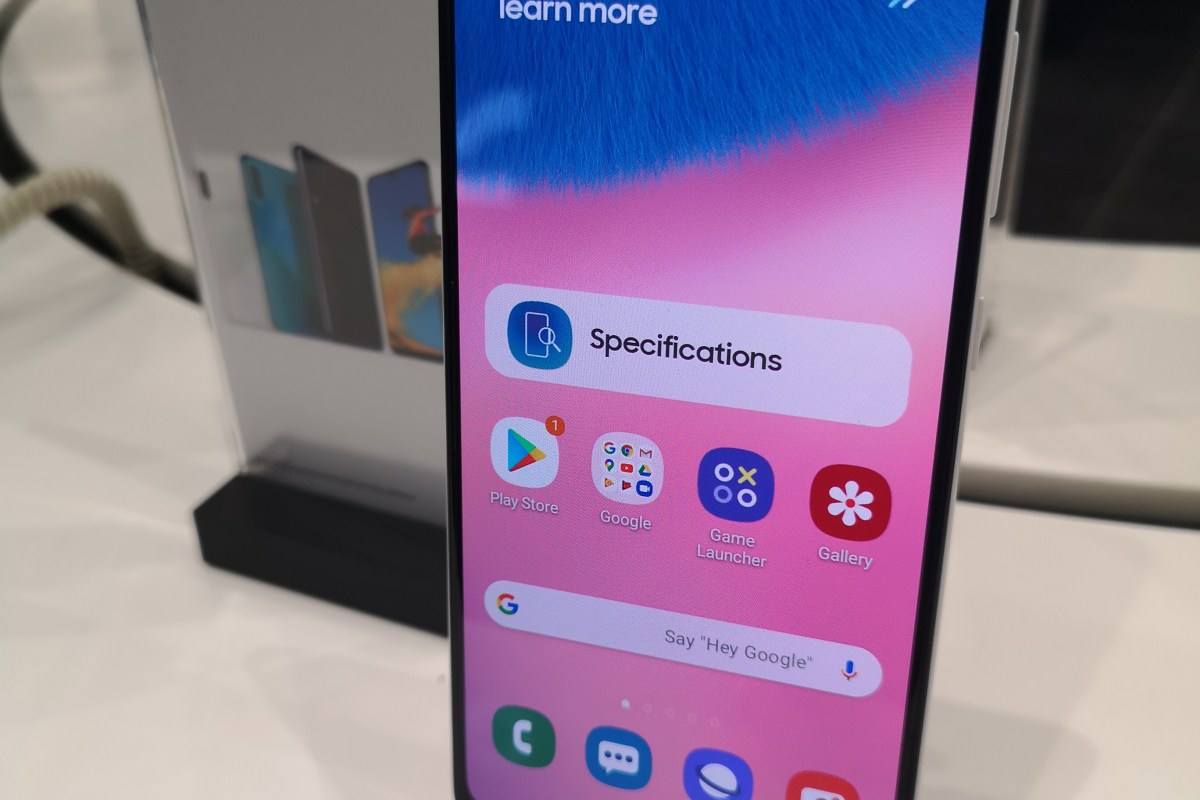
Underneath the somewhat plasticky exterior is a decent machine that everyone can use out of the box. The Exynos 7904 is not one of the high-end chips to power any device, but the octa-core build of the processor gives the A30s more than enough juice to run any app you need it to. The 6.4-inch screen is super AMOLED,  just like most Samsung phones out there, and while it is only a HD screen, (720 x 1560 pixels), it is more than enough display photos and video with high colour fidelity thanks to the nicely saturated pixels thanks to the AMOLED technology.

You do get a generous 4GB of RAM and 64GB of storage for your stuff, and still you can expand with a microSD slot. Better yet, this is one of the few phones where you get two SIM slots and a microSD slot without the weird slot sharing you find in other Galaxy phones, so load up with your SIMs and a microSD up to 512GB!

Shooting with the cameras can be a dizzy affair, thanks to the multiple options you get with the A30s. There is a 25MP main camera with an f/1.7 aperture, the 8MP ultrawide sensor with an f /2.2 aperture, and a 5MP depth sensor, with an f/2.2 aperture. Selfies are handled by a 16MP f/2.0 sensor on the front, behind the Infinity-U teardrop cutout on the front. Both front and rear cameras records 1080p videos. The rear camera even records slo-mo video at 120fps at HD resolution.

Other cool stuff includes USB Type-C connectivity, a 3.5mm audio jack (unicorn, this is) and an underscreen fingerprint reader. Which is cool to have in a mid-range smartphone.

Using the Galaxy A30s can be challenging, especially for those with smaller hands as the 6.4-inch screen is tall and either finger gymnastics or two hands are needed to reach to the top of the screen.

Check out the sample of photos taken with the A30s below.

A30s-1.jpg
A30s - 5.jpg
A30s-4.jpg
A30s -2.jpg

Video taken with the A30 is also generally decent – it is not a 4K recorder, but for everyday use, the A30s is more than adequate to capture memories. The videos can be a bit soft depending on the available light so you need to be vigilant to ensure that the light is sufficient in getting the footage that you want.

All in all, the Samsung Galaxy A30s is a recommended smartphone for those looking for a good performer, without breaking the bank. Should buy one lah.

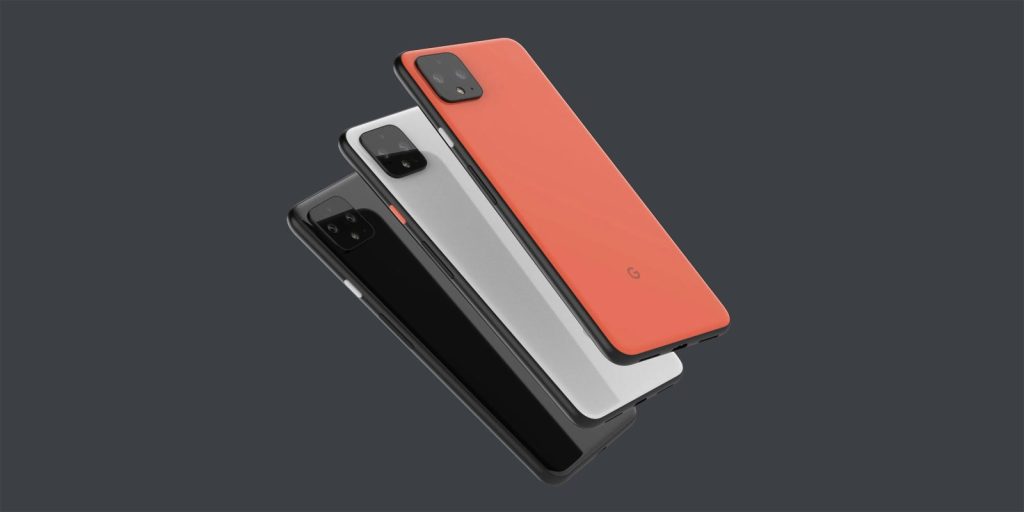
Google Pixel 4 and 4 XL Launches with 90hz Display, Paltry Storage, and a Trail of Leaks

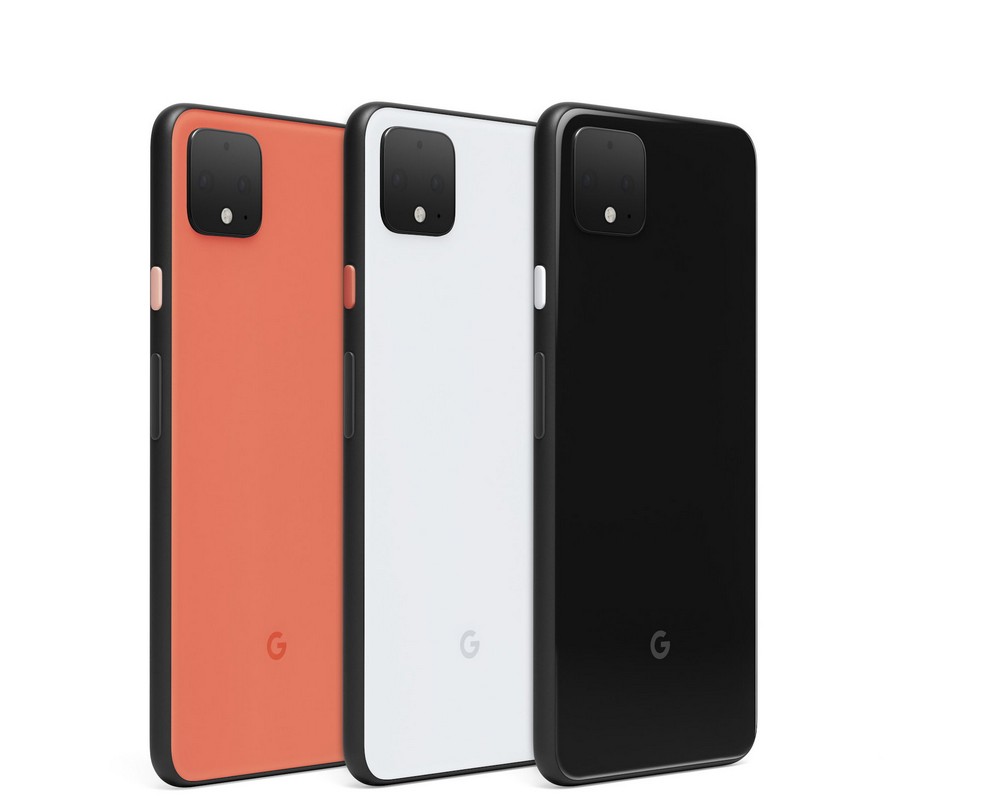
One of the most leaked phones in the market of 2019 is now official. The Google Pixel 4 and 4 XL has been launched, and it carries little surprise for those who has been following the leak trails online.

Like the leaks, the new Pixel 4 comes in two sizes – the smaller Pixel 4 and the larger Pixel 4 XL. Inside, the phone are similar. Both runs the Qualcomm Snapdragon 855 processor, runs Android 10 out of the box, and the new display. Google is calling it Smooth Displays, and both top at 90Hz for butter-smooth scrolling and usability. Plus, the phone is intelligent enough to switch between 60Hz and 90Hz automatically when needed.

One feature that may be gimmicky to some is Motion Sense. Using the built-in radar tech from the phone’s Soli’s chip, users can control the phone hands free without touching the screen. There are also two face-unlock IR cameras, a dot projector and flood illuminator next to the selfie camera, which allows Face Unlock biometric security.

Other noteworthy info includes the 6GB of RAM in both models 64GB (boo!) or 128GB storage options, and also a 2,800mAh battery for the Pixel 4 and 3,700mAh battery for the Pixel 4 XL. Imaging is handled by a 12MP Dual Pixel sensor and a 16MP telephoto lens for 2x zoom.

Want to get one? Get ready to cough up from USD799 (~RM 3346) for the Pixel 4version, or USD899 (~RM3767) for the larger Pixel 4 XL. No news if Malaysia will get it officially.

ASUS ROG Phone 2 Is Officially In Malaysia

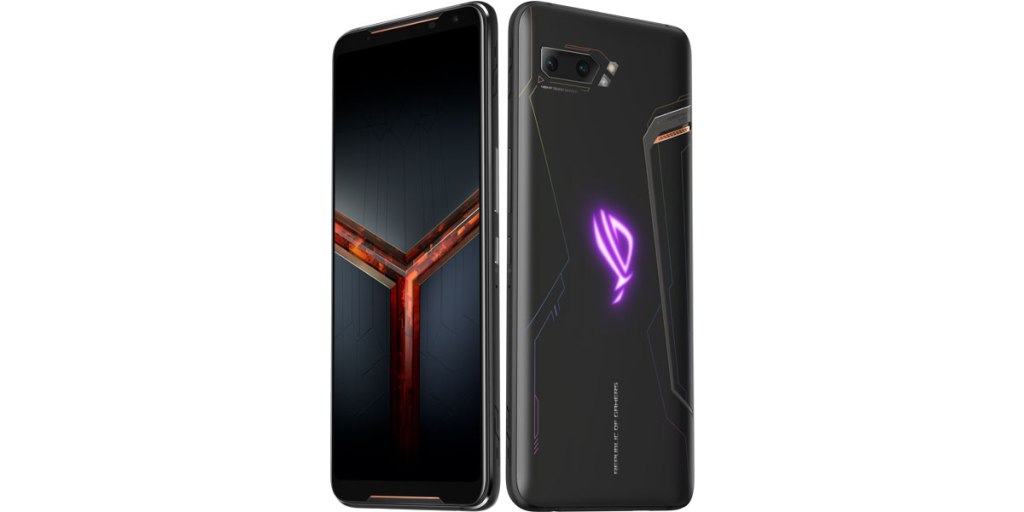
During a glitzy launch in Kuala Lumpur, ASUS officially announced the availability of the ASUS ROG Phone 2, the ultimate gamer phone. Not only it has the fastest mobile processor from Qualcomm, it is also kitted to let you game all day, everyday and everywhere.

Underneath the metal and glass construction is the Qualcomm Snapdragon 855+, clocked at 2.96GHz. The Adreno 640 GPU is one of the best to work with for mobile gaming, and thanks to optimized features and the updated GameCool 2 3D vapor-chamber cooling system, you can game for much longer than before.

Not only it has a fast processor, it has a fast screen. The first 120Hz AMOLED 10-bit HDR 6.59-inch display boasts a 1 millisecond response time for better touch performance for gaming. ASUS also has the updated AirTrigger 2 ultrasonic sensors for additional controls during games built-in. 12GBs of RAM will ensure that you will not run out frames when gaming. Powering everything is a beefy 600mAh battery for all-day (and more!) performance.

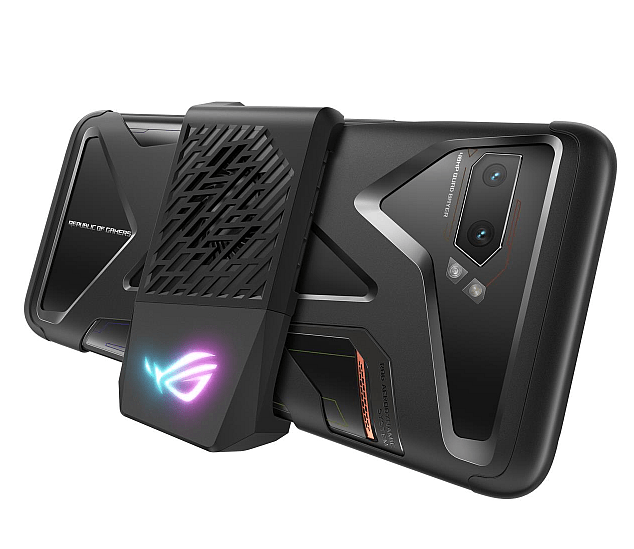
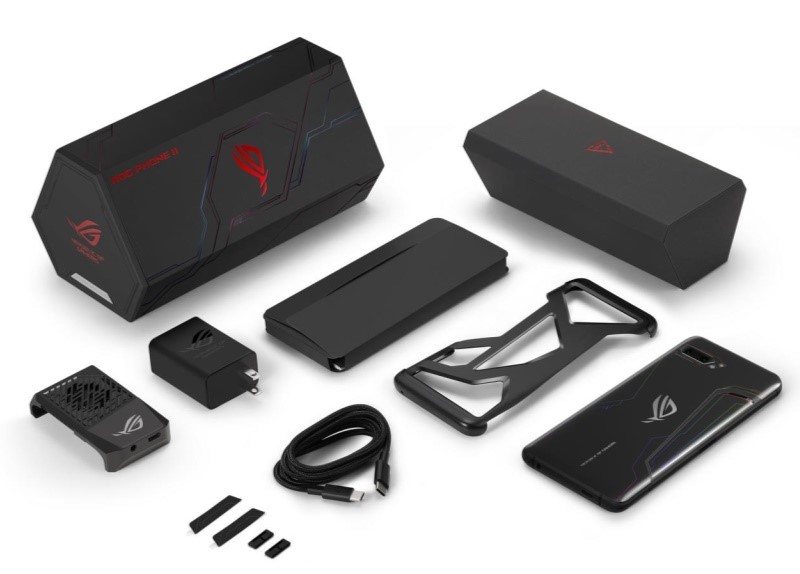
ASUS is selling two versions of the phone in Malaysia. The ASUS ROG Phone 2, with 512GB of internal UFS 3.0 storage will be retailing for RM 3,499. Meanwhile for those looking for more, there will be the ROG Phone 2: Ultimate Edition, which will be available from November onwards. This model ups the ante with 1TB of internal storage, which will go for RM 4,499. Both will come with the AeroActive Cooler 2 and Aero Case bundled in the box.

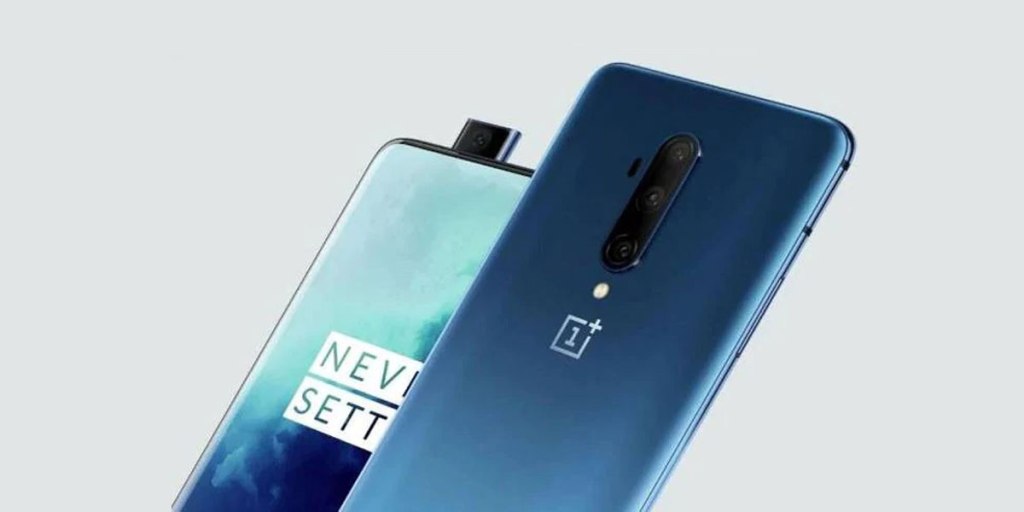
OnePlus 7T Pro Delivers A Pop-up Selfie Experience, Curved Display and A Mclaren Model

After the launch of the OnePlus 7T, the company has followed up with a companion model. The OnePlus 7T Pro is different than the vanilla 7T. For one, it doesn’t have a notch – instead it comes with a pop-up selfie camera.

Inside, the OnePlus 7T Pro shares many similarities with the OnePlus 7T. Snapdragon 855 Plus, the triple camera setup and even USB Type-C fast charging. What is special with the phone is that it has a curved screen rather than a flat-top. Something like the Samsung phones – which is logical as the screen is an AMOLED display.

Video courtesy of Android Authority

Imaging is handled by the 48MP Sony IMX586 and 8MP wide-angle sensor, alongside an 8MP 3x telephoto sensor. The selfie is the same 16MP Sony IMX471 sensor and f/2.0 lens found in the 7T. The curved 6.67-inch Quad HD+ AMOLED screen has a pixel density of 516 ppi, 90Hz refresh rate and in-display fingerprint scanner as per the non-Pro variant. Plus, HDR10+ support. The battery is also bigger at 4085mAh (which is an odd capacity).

The OnePlus 7T Pro McLaren edition is basically the same phone, but features special McLaren colours and 12GB RAM instead of 8GB of RAM. Still limited at 128GB of storage with no microSD slots though.

Customers looking to buy the phone can get one – in India – for INR 53,999 (~RM 3,190) while the McLaren Edition is listed at INR 58,999 (~RM 3,485). No news if the phone will be heading to Malaysia as yet so far.

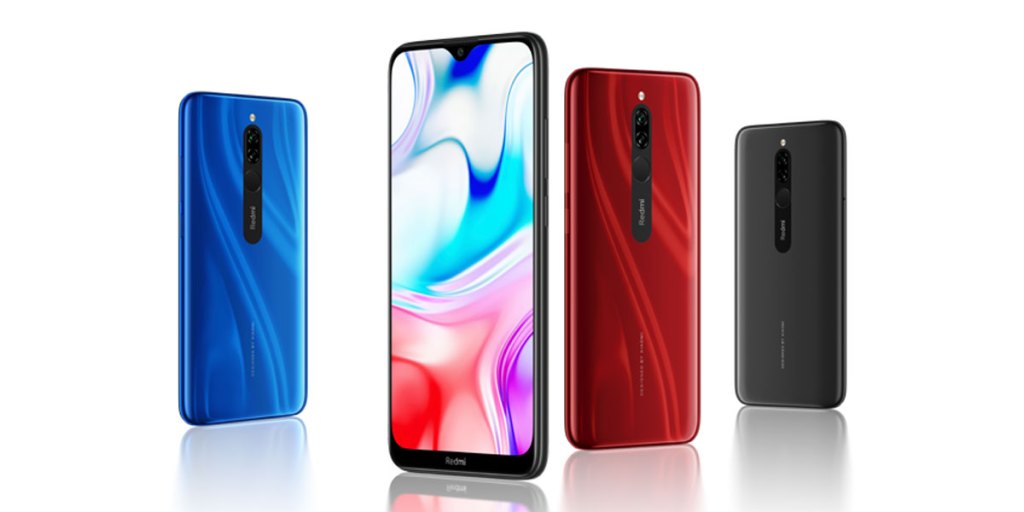
Xiaomi Adds On To The Redmi Family With The Redmi 8

After the launch of the Redmi Note 8 and Redmi Note 8 Pro, it has officially launched the lower end device called the Redmi 8 (surprising? I think not). The new device is definitely designed for first-time smartphone owners coming from a feature phone or those looking for second phones for work.

Underneath the body is a Qualcomm Snapdragon 439 processor, paired to 4GB of RAM and 64GB of internal storage. The screen is a 6.22-inch HD+ display, so it fits the lower-end mature of the device.

Imaging is handled by dual cameras at the back and a selfie camera at the front. The back has a 12MP main sensor alongside a 2MP depth sensor. Selfies are taken with the 8MP sensor on the front.

What makes the Redmi 8 stand out is more to the power part of the phone. For one, it comes with a huge 5000mAh battery, and it supports fast charging via an 18watt charger – a first for this segment.

Xiaomi is pricing the 4GB/64GB model for RM 599, while the 3GB/32GB model will be priced at RM499. The higher spec is available from 12 October onwards, while the lower spec will come on sale a week later.

Essential Announced Project Gem Smartphone

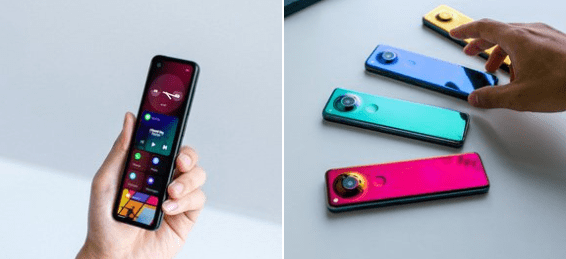
Thanks to tweets shared by Andy Rubin and Essential, the head of Essential Phone, we have first looks of the next phone to come out the ex Googler’s company – and it is a unique design indeed.

The phone from Essential looks unlike any other phone in the market in the past decade. It has a tall screen – even taller than Sony’s 21:9 screens. Another standout is that the phone is very narrow. It is like the Essential team took the external screen on the Galaxy Fold, and made it taller to make a phone.

Other stuff shown by the Essential team is the colourway of the new phone. Four options were displayed, with all four showing pearl colour-like changing for the paint job – like a gem. At the back, a single camera bump is seen, rather than the multi-camera trend sweeping the phone manufacturers.

Other than the design and colours, no other information was shared on the new phone. Not even the expected availability date. We may see the phone appear in selected markets sometime next year. It may take that long as well to polish the custom Android skin to work properly in a new form factor. 2020 will be an interesting year for phone design.

Google Asks Manufacturers To Ensure USB Power Delivery Support For Future Devices

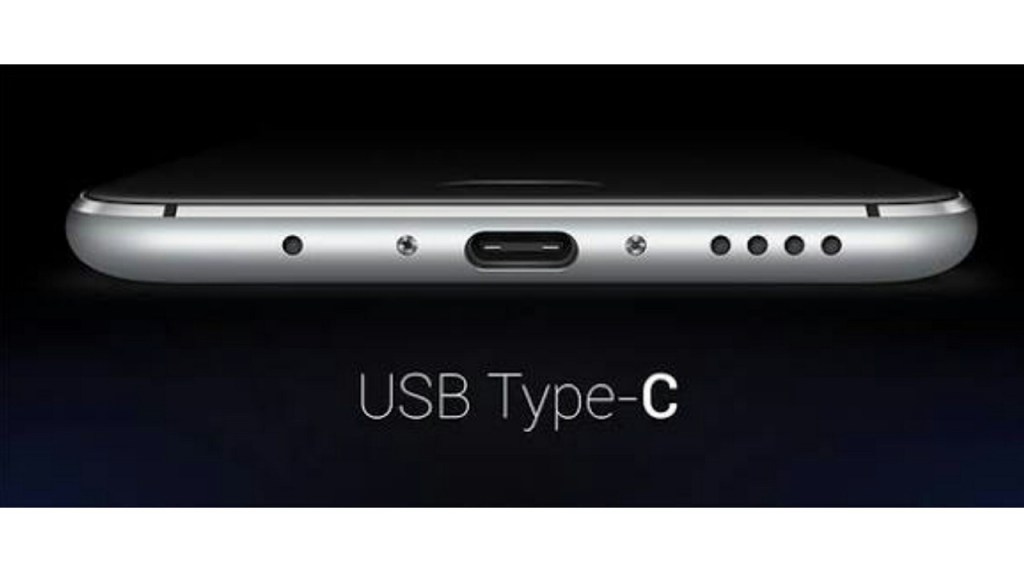
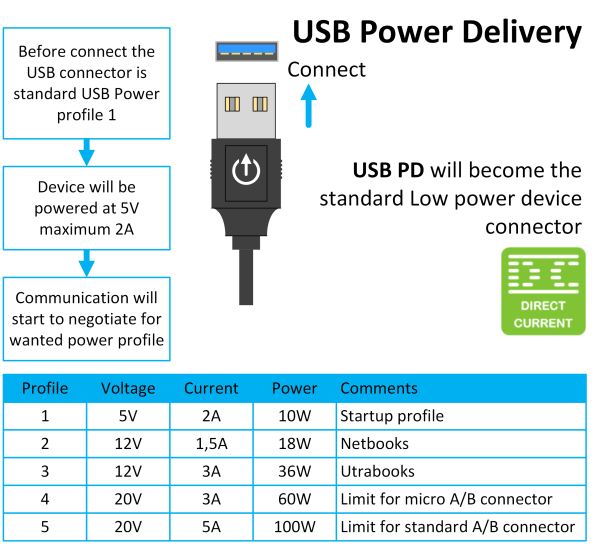
A new document on device requirements by Google popped up online recently. The document outlines a requirement for device manufacturers to support the USB Power Delivery (or PD) standard for power and charging, and not to break compatibility for third-party PD chargers.

With a theoretical limit of 100W, USB PD is more than enough to be a choice fast charger for devices. However, competing and proprietary version such as OnePlus, Huawei and OPPO means that devices from those manufacturers can only fast-charge with their own accessories.

This time around, Google has mandated that manufacturers are required to follow standards. Google warned that “New DEVICES launching from 2019 onwards, with a USB Type-C port MUST ensure full interoperability with chargers that are compliant with the USB specifications and have the USB Type-C plug.” This is according to the version 7.0 of GMS Requirements, published September 3rd, 2019, GMS being the Google Mobile Service.

USB PD information courtesy of Directcurrent.eu

Of course, devices that was approved before the deadline are free from the requirements – most devices launched in 2019 were approved in 2018. However, we can be certain that devices from next year onwards will have USB PD compatibility, and we can finally have a standard fast-charge across smartphones, and laptops.

Redmi Note 8 Series Is Now In Malaysia

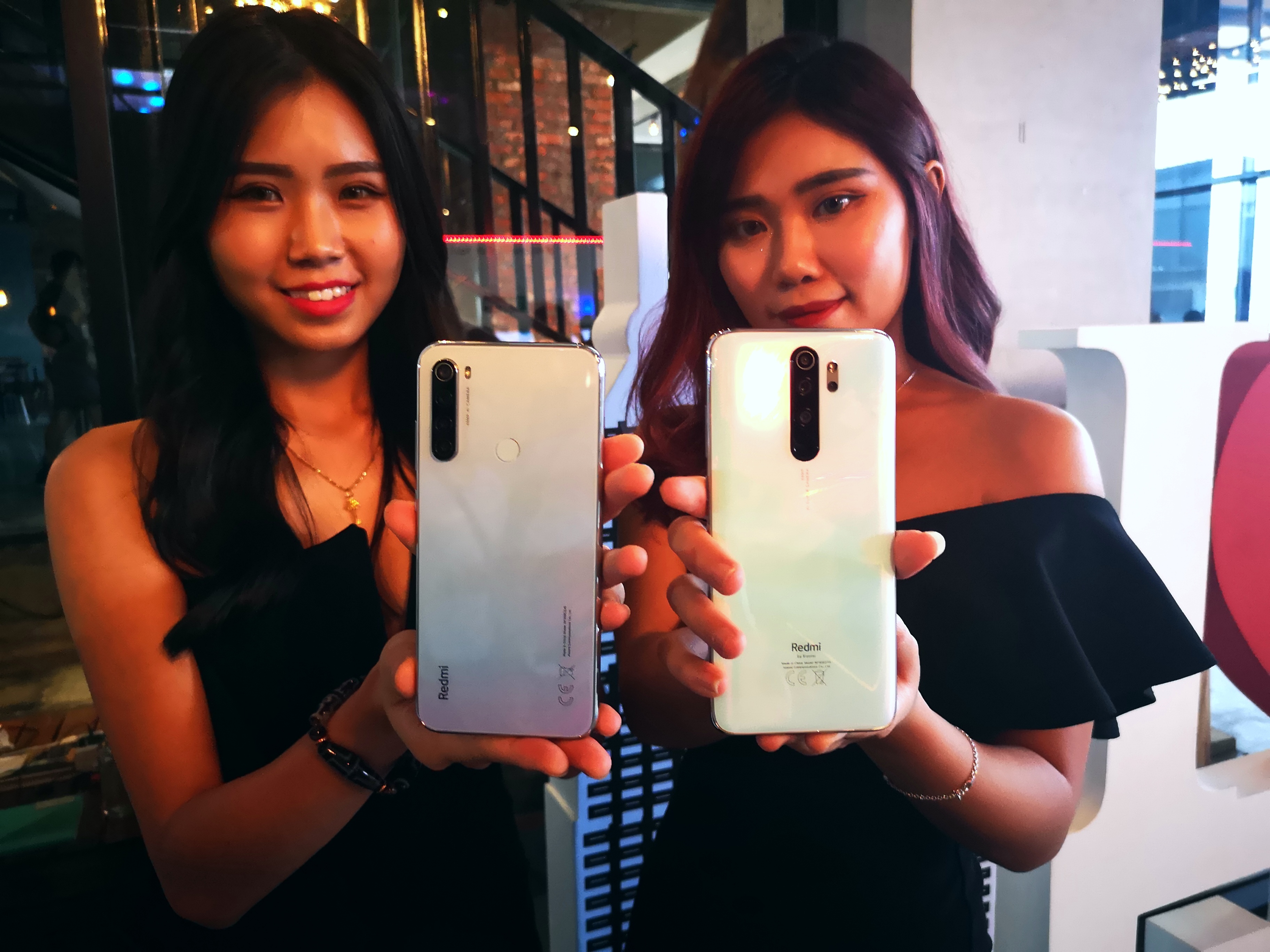
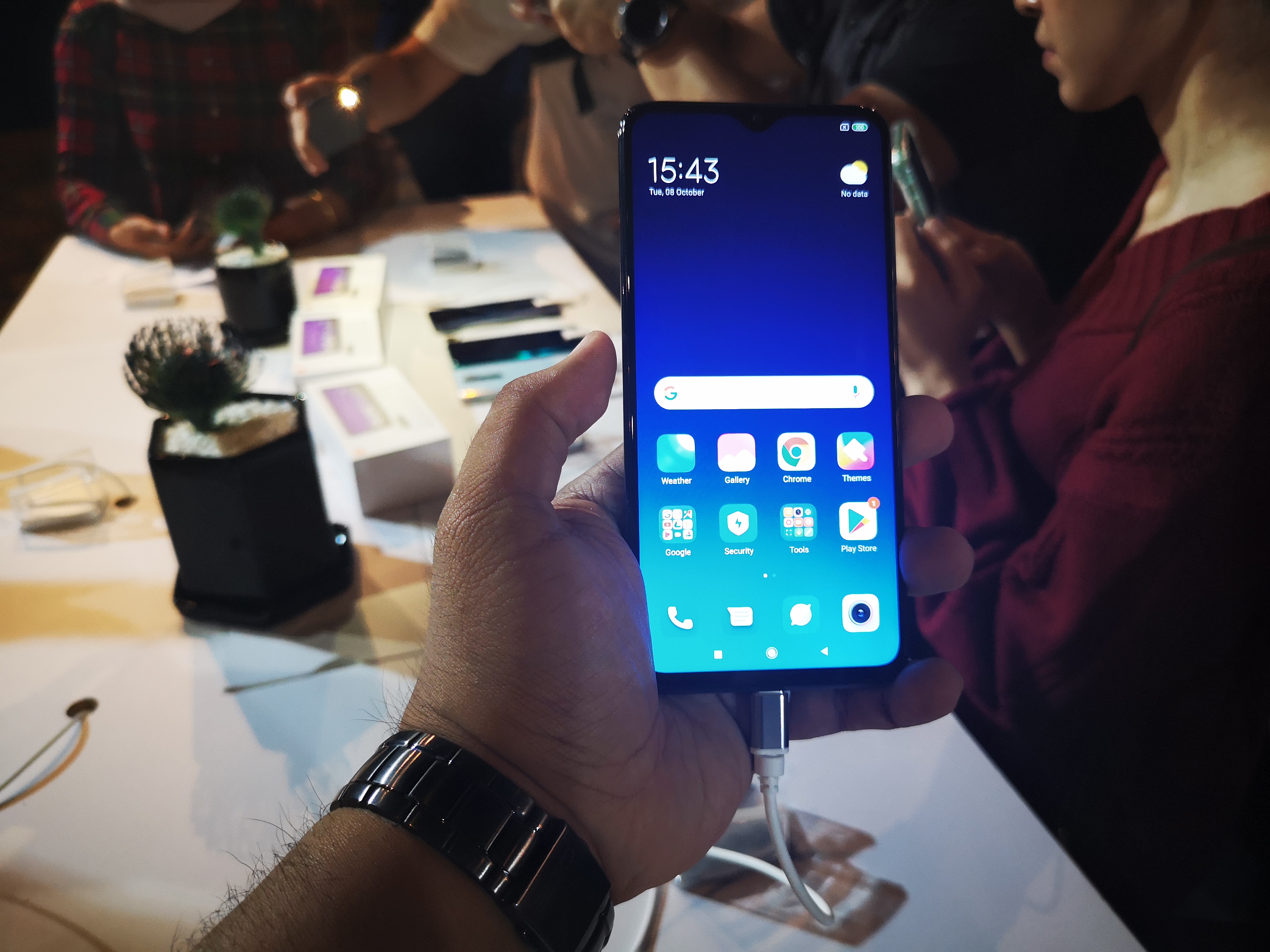
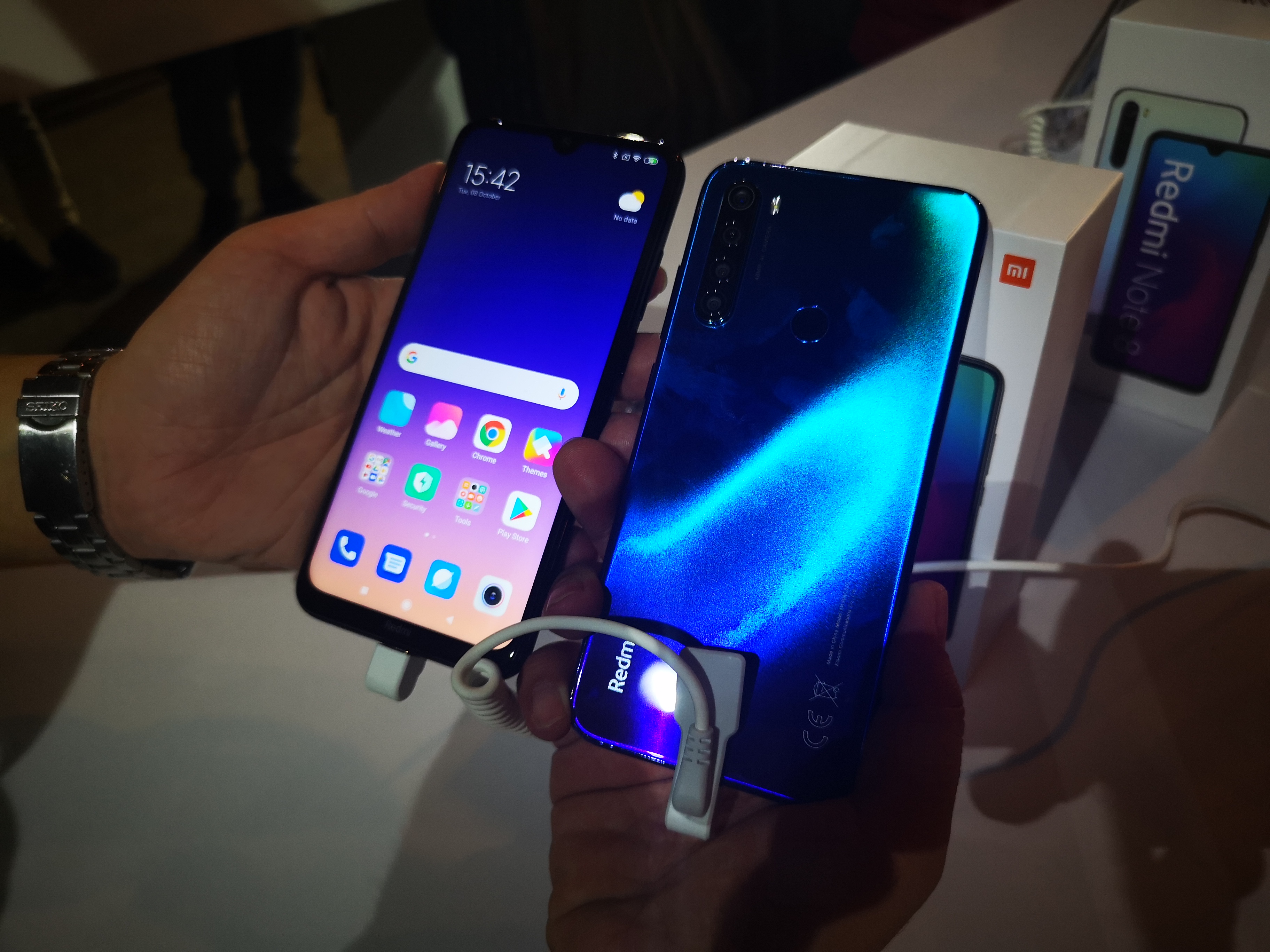
Xiaomi is continuing its mission to deliver good and affordable smartphones to the market under the Redmi line. The new Redmi Note 8 and Note 8 Pro are two new models under the Redmi line that aims to deliver great value performance.

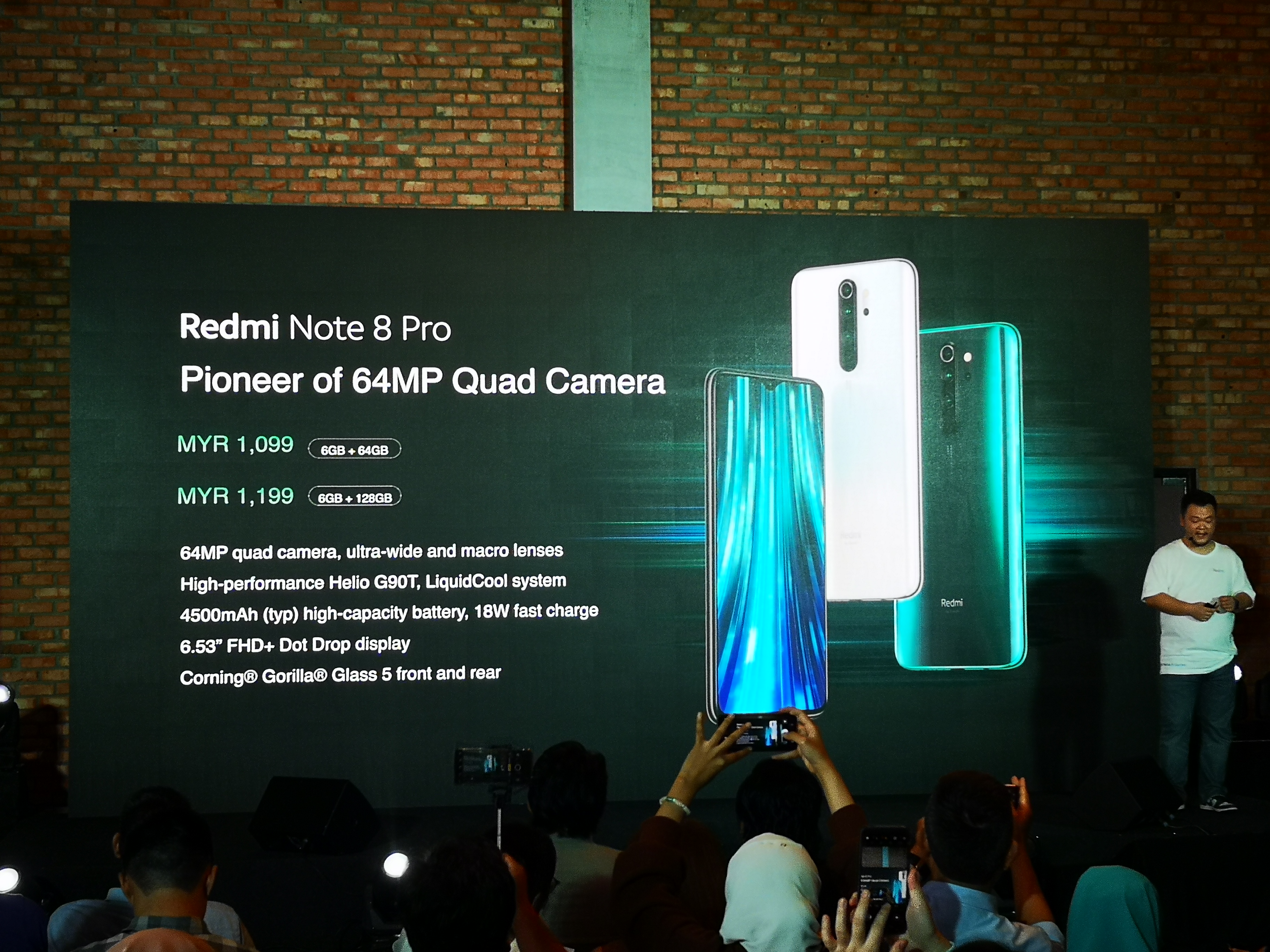
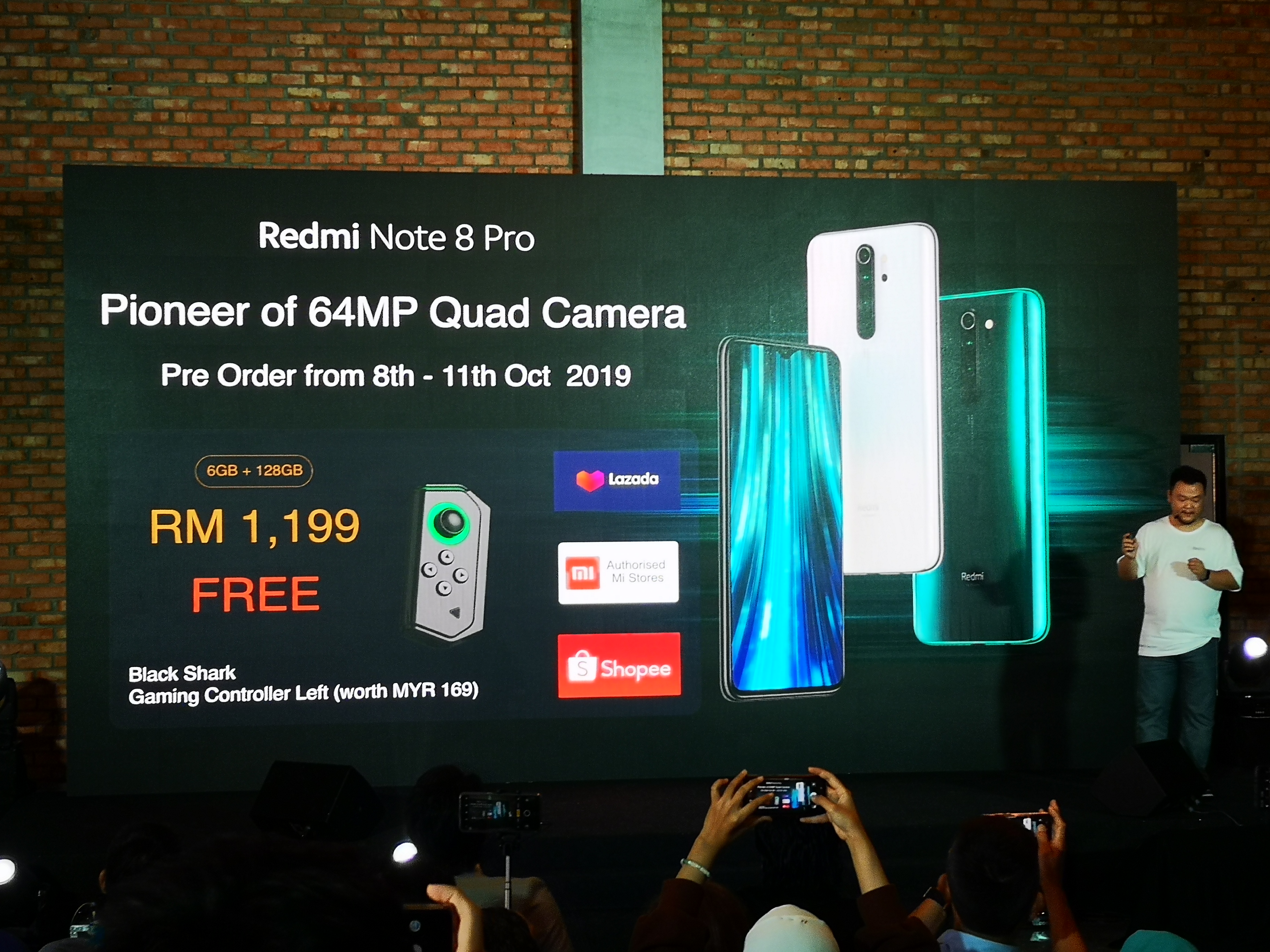
The Redmi Note 8 Pro heads the pack as the current flagship of the Redmi line here in Malaysia. It gets a large 6.53-inch Full HD+ display, a MediaTek G90T processor and a huge 4,500mAh battery. You also get four cameras, with one of them a 64MP sensor that is one of the highest performing sensors in the market currently. Other camera sensors in the package includes an 8MP ultra-wide sensor, a 2MP macro sensor and a depth sensor. Selfies will be captured with a 20MP front sensor.

Inside you get MIUI 10, 6GB of RAM plus 128GB of storage, an IR blaster (for times you want to prank-close the TVs at mamaks), a rear-mounted fingerprint sensor, an audio jack, and USB Type-C port. You also get 4G, and NFC.

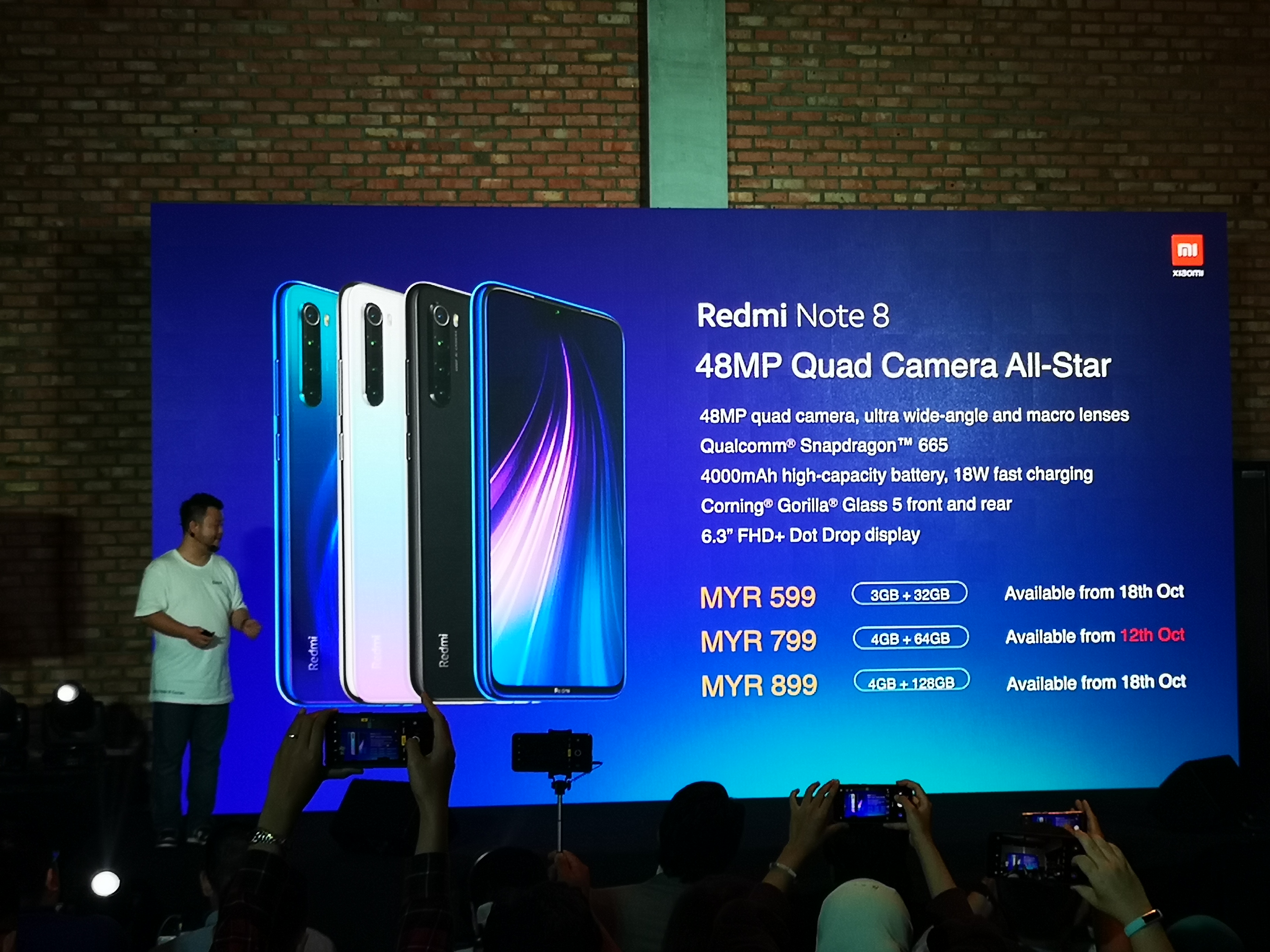
Meanwhile the Redmi Note 8 is the smaller model to the Note 8 Pro, with some interesting features as well. The 6.3-inch display sits on top of a Snapdragon 665 processor, powered by a 4000mAh battery. Instead of a 64MP sensor, the Note 8 have to make do with ‘only’ 48MP. Otherwise it shares the wide-angle, macro and depth sensor as the Note 8 Pro. The selfie camera is a 13MP unit. It comes with 6GB/128GB combo, which is more than enough for most users out there.

Both smartphones support fast charging via the included 18W charger, and Gorilla Glass 5 for scratch protection.

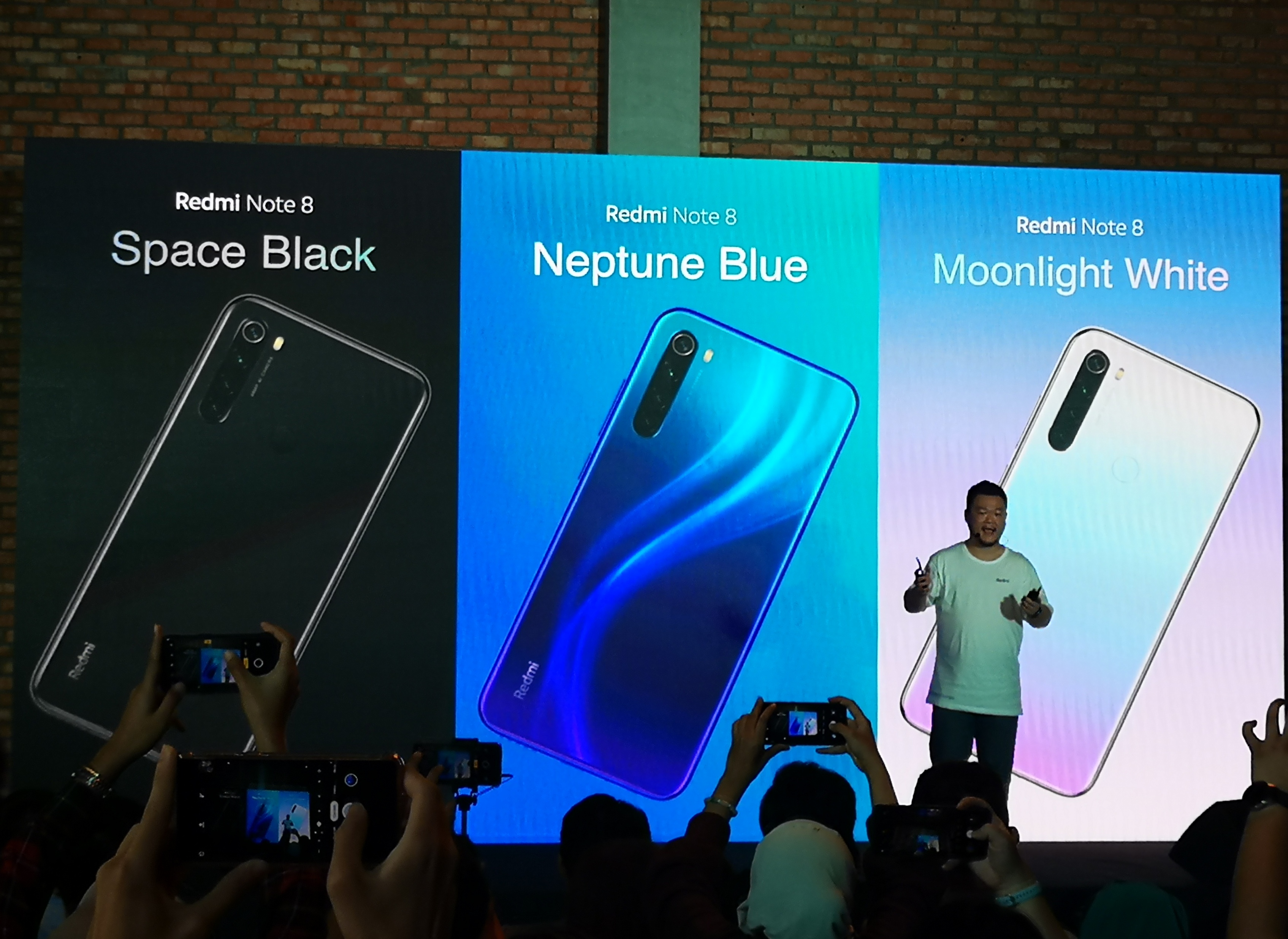
Malaysia is the first country outside of China to launch the Redmi Note 8. The Xiaomi Redmi Note 8 is priced at from RM 599, available in three different colours.

The Redmi Note 8 Pro meanwhile is priced from RM 1099. It is available from authorised Xiaomi distributors and also the official Xiaomi stores.

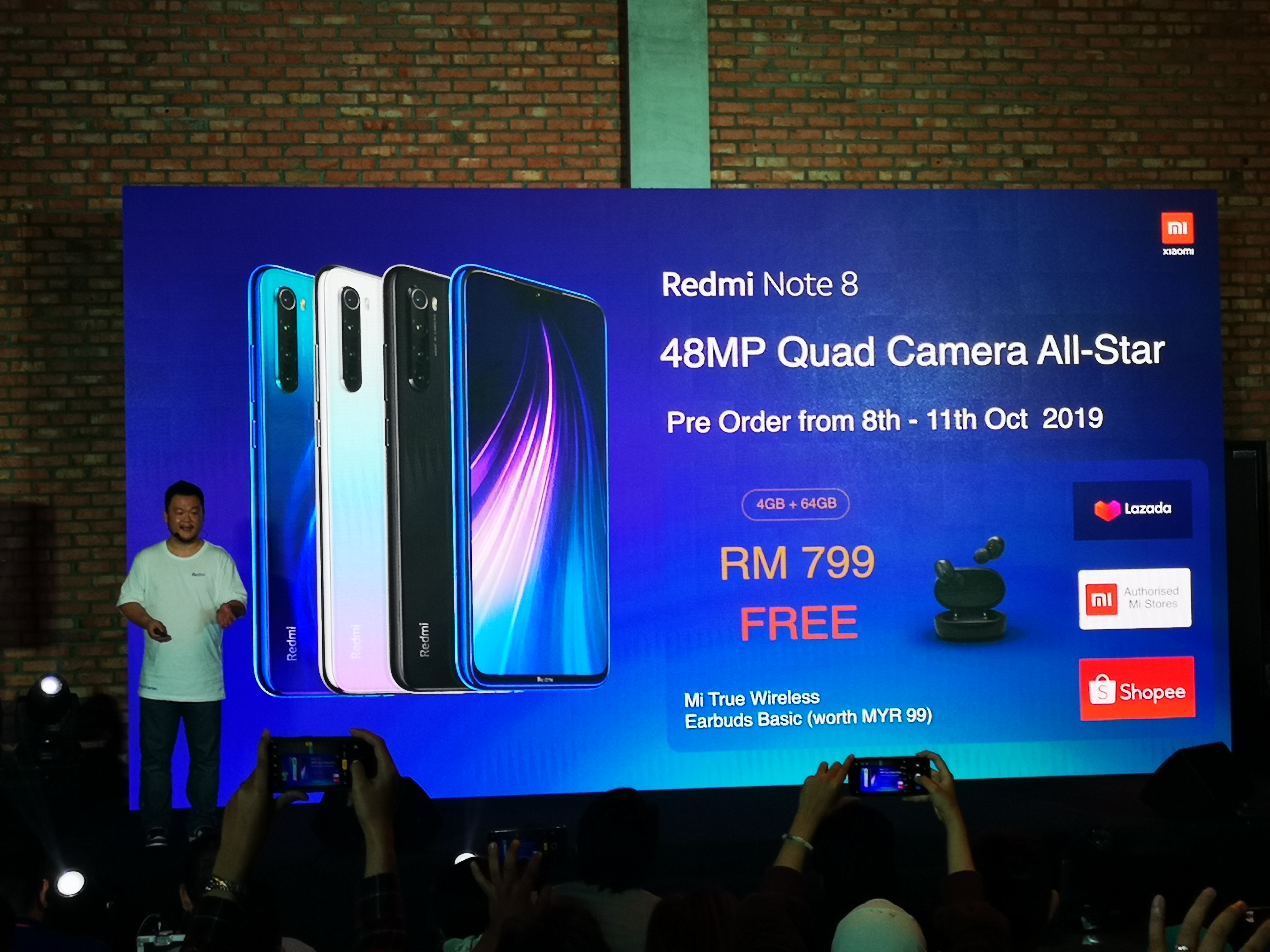
There will be a limited time promotion for the new Note 8 for online shopping sites, where the phone will be offered for RM 799 bundled with a free MI True Wireless Earbuds Basic worth RM 99.

Meanwhile the Redmi Note 8 Pro will have its own early bird special. The 6GB/64GB will be available online for RM 999, while the 6GB/128GB model will be at the RRP of RM 1,199 but with the Black Shark Left Controller worth RM 169.

Garmin Venu Officially Launched In Malaysia For RM 1799

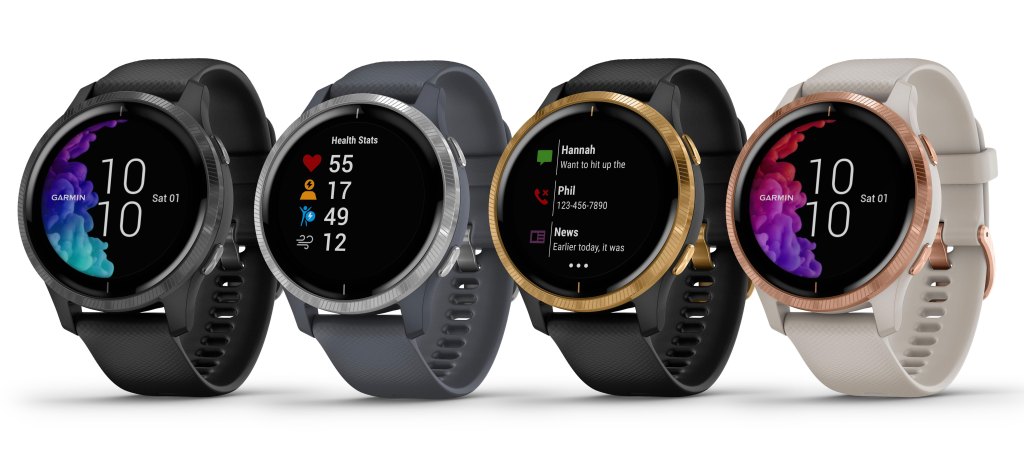
Garmin has officially launched their latest smartwatch for the Malaysian market. Called the Garmin Venu, it combines both fitness and health tracking into a single wrist-tracker which is compatible with most mobile OS in the market.

What makes this model stand out is the new Always-On OLED screen that delivers information at a glance. Compared to the previous model, the new screen saves battery and yet shows all the information needed without having the screen go blank.

The health tracking with the Venu is extensive; you get the usual heartrate sensor, sleep tracking and steps taken. What’s new are the other tracking modes – these include new respiration tracking, abnormal heart rate alerts, menstrual cycle tracking, stress tracking with relax reminders, new hydration tracking, breath work activities, and more. You can also check the status of your body power level with the new Body Battery energy monitoring.

It connects to your smartphone, and grabs all the important notification you need and display it on your wrist. Android users can even directly reply to the messages on their wrist. You can even download songs or playlists from Spotify, Amazon Music, and Deezer, and listen to them on-the-go, untethered from your smartphone thanks to the built-in storage.

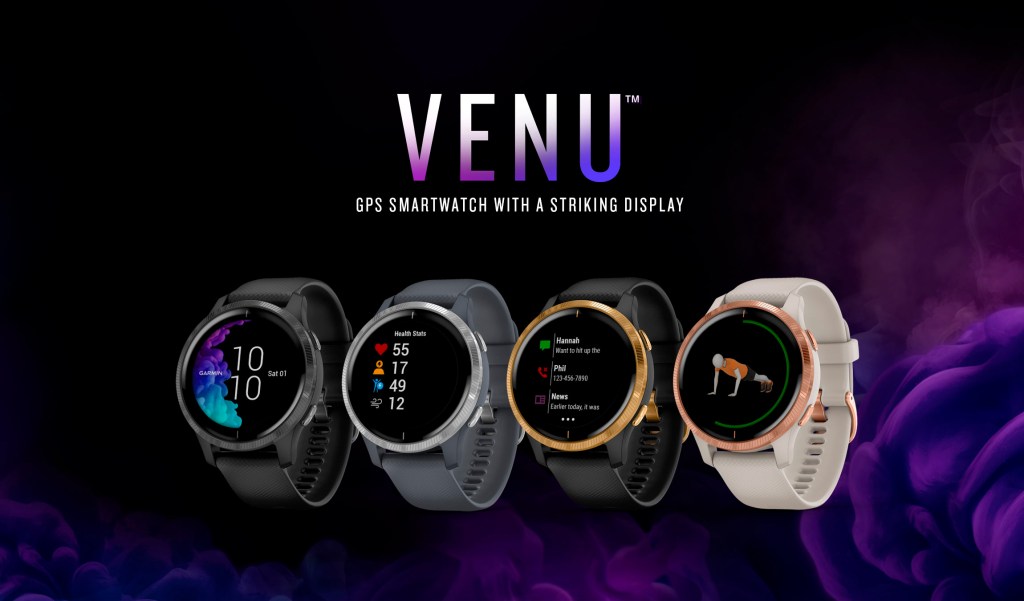
The Garmin Venu is priced at RM 1,799 available in Granite Blue with Silver Hardware*, Black with Slate Hardware, Light Sand with Rose Gold Hardware, and Black and Gold Hardware*.

*coming soon in November 2019

OnePlus 8 Early Leaks Points To Punch Hole Camera And Wireless Charging Built-in

Image via OnLeaks and CashKaro

We are still waiting for the OnePlus 7T to ship, and the first leaks of the OnePlus 8 is already popping up online. The rumours circulating is that the upcoming model will have features that will make fans happy and sad – wireless charging and punch hole camera.

The early renders of the phone show a very understated yet recognizable OnePlus design language. What makes this design a bit different is the curved display – akin to the Galaxy Note 10. On the front, the notch is banished, but replaced with a punch hole camera in the corner. This is a good compromise between having a notch for the selfie camera and a pop-up camera that can complicate repairs and maintenance.

Video via CashKaro

Another feature that will be embraced by OnePlus fans is the inclusion of wireless charging, which has been missing in the line-up. With the 6.5inch display, this means the body of the phone will be bigger, and this more space to include fun stuff like Wireless Charging. No news if the wireless charging is the normal or fast variety, but knowing OnePlus, a speedy wireless charging tech is in the works.

Other info for the phone is lacking, such as the processor, camera and more. In any case, we have until 2020 to wait and see what OnePlus will have for us in the pipeline.