Google Pixel 4 and 4 XL Launches with 90hz Display, Paltry Storage, and a Trail of Leaks

One of the most leaked phones in the market of 2019 is now official. The Google Pixel 4 and 4 XL has been launched, and it carries little surprise for those who has been following the leak trails online.

Like the leaks, the new Pixel 4 comes in two sizes – the smaller Pixel 4 and the larger Pixel 4 XL. Inside, the phone are similar. Both runs the Qualcomm Snapdragon 855 processor, runs Android 10 out of the box, and the new display. Google is calling it Smooth Displays, and both top at 90Hz for butter-smooth scrolling and usability. Plus, the phone is intelligent enough to switch between 60Hz and 90Hz automatically when needed.

One feature that may be gimmicky to some is Motion Sense. Using the built-in radar tech from the phone’s Soli’s chip, users can control the phone hands free without touching the screen. There are also two face-unlock IR cameras, a dot projector and flood illuminator next to the selfie camera, which allows Face Unlock biometric security.

Other noteworthy info includes the 6GB of RAM in both models 64GB (boo!) or 128GB storage options, and also a 2,800mAh battery for the Pixel 4 and 3,700mAh battery for the Pixel 4 XL. Imaging is handled by a 12MP Dual Pixel sensor and a 16MP telephoto lens for 2x zoom.

Want to get one? Get ready to cough up from USD799 (~RM 3346) for the Pixel 4version, or USD899 (~RM3767) for the larger Pixel 4 XL. No news if Malaysia will get it officially.


ASUS ROG Phone 2 Is Officially In Malaysia

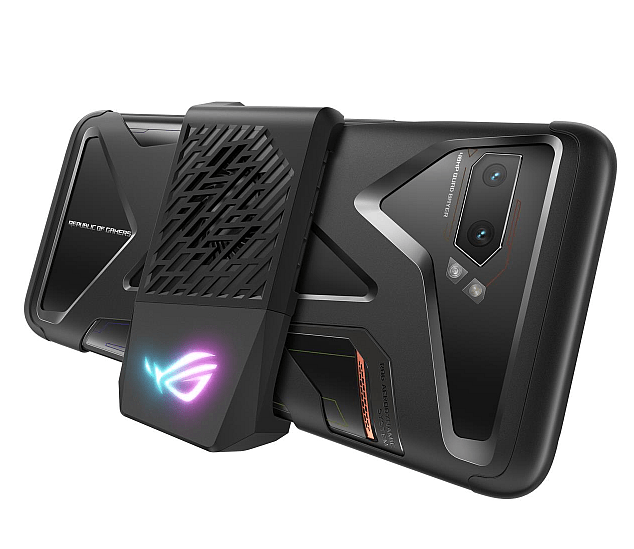
During a glitzy launch in Kuala Lumpur, ASUS officially announced the availability of the ASUS ROG Phone 2, the ultimate gamer phone. Not only it has the fastest mobile processor from Qualcomm, it is also kitted to let you game all day, everyday and everywhere.

Underneath the metal and glass construction is the Qualcomm Snapdragon 855+, clocked at 2.96GHz. The Adreno 640 GPU is one of the best to work with for mobile gaming, and thanks to optimized features and the updated GameCool 2 3D vapor-chamber cooling system, you can game for much longer than before.

Not only it has a fast processor, it has a fast screen. The first 120Hz AMOLED 10-bit HDR 6.59-inch display boasts a 1 millisecond response time for better touch performance for gaming. ASUS also has the updated AirTrigger 2 ultrasonic sensors for additional controls during games built-in. 12GBs of RAM will ensure that you will not run out frames when gaming. Powering everything is a beefy 600mAh battery for all-day (and more!) performance.

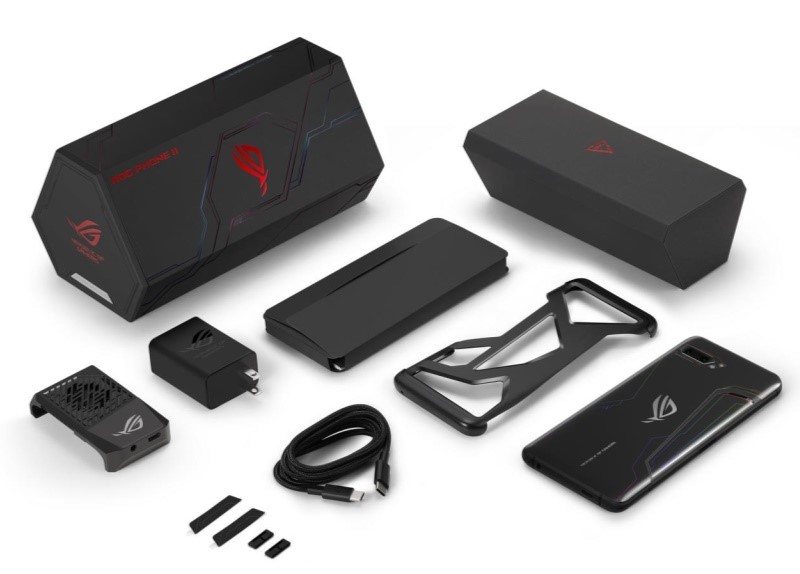
ASUS is selling two versions of the phone in Malaysia. The ASUS ROG Phone 2, with 512GB of internal UFS 3.0 storage will be retailing for RM 3,499. Meanwhile for those looking for more, there will be the ROG Phone 2: Ultimate Edition, which will be available from November onwards. This model ups the ante with 1TB of internal storage, which will go for RM 4,499. Both will come with the AeroActive Cooler 2 and Aero Case bundled in the box.

Sony’s New Imaging Sensors Will Be Organic And Have PDAF Built-In Respectively

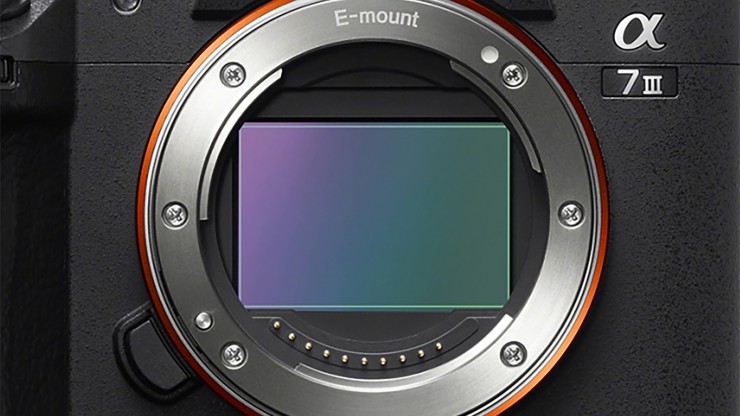
Sony has shared that it will be sharing two new sensors at the upcoming 2019 International Electronic Devices Meeting (IEDM) in San Francisco. The new sensor may signal a new wave of photography technology and method coming our way.

The company will actually present various sensors at the meeting, but two stands out in the pack – a quad-bayer 1/2-inch 48MP “All-PDAF” CMOS chip and an organic “Three-layer Stacked Color Image Sensor.”

For the first sensor, Sony says that the chip will be the ‘World’s First’ sensor to be both quad-bayer construction and have PDAF tech built in, designed for high-resolution capture and HDR, along with the AF working as low as 1 lux.

We created the world’s first all PDAF CMOS image sensor using 2×2 on-chip lens architecture. That had 1/2 inch 48M pixels with 0.8µm Quad Bayer coding for high resolution and HDR function, and all PDAF pixels achieved a minimum AF illuminance level of 1 lux.

Sony Semiconductor Solutions Corporation

Meanwhile the organic sensor can help with false colour problems when taking photo thanks to the triple stacked layer of colour filters – one each for red, blue and green.

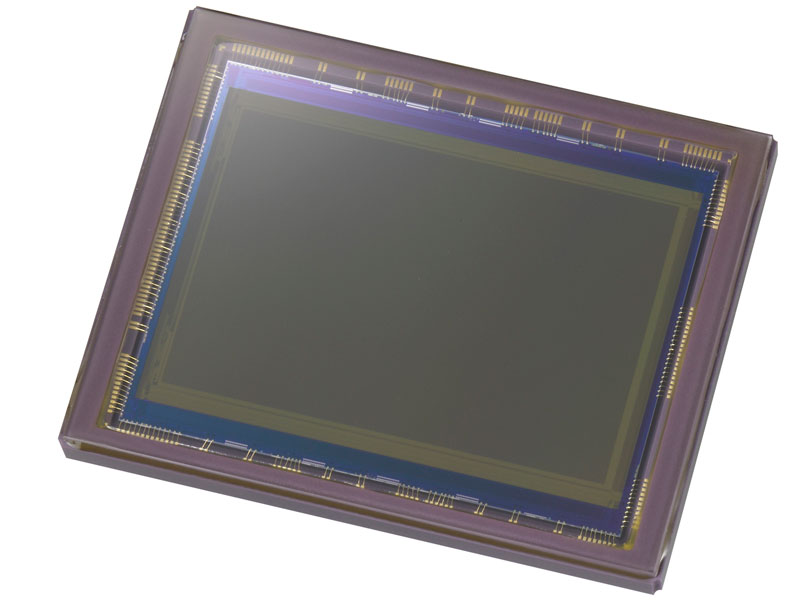
Sample of Sony CMOS Image Sensor

The two sensors may head to APSC, MFT and Full Frame sensors as early as next year, so we should be seeing some news coming out from CP+ 2020 in Yokohama, one of the biggest photography events in Japan. This news is great for photographers out there, looking to get more out of their images in the field.

Nikon Announces The APSC Z50 Mirrorless Camera

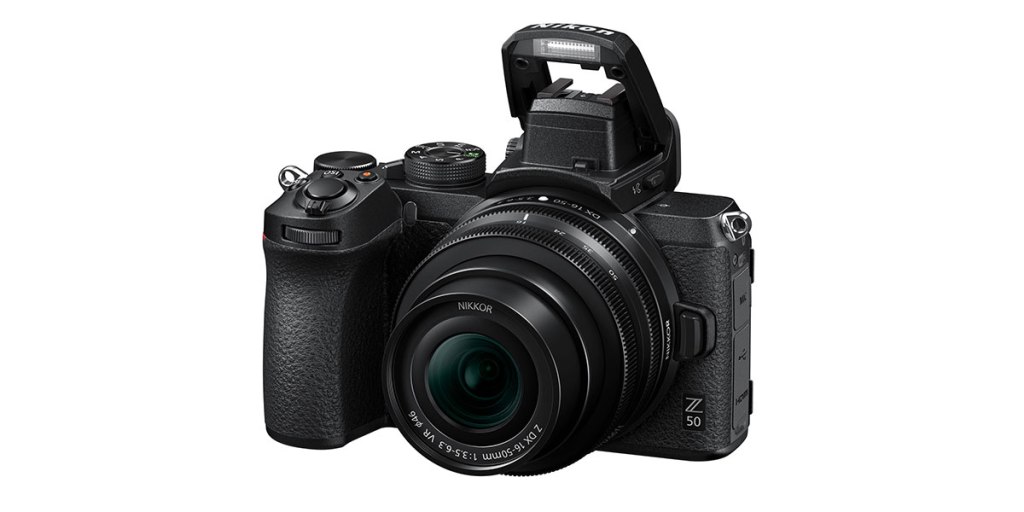
Nikon has unveiled its next mirrorless camera – the new Z50. This is the company’s first DX-format camera to use the Z-mount; yes, the new camera shares the same mount as the full-frame Z5/Z6 cameras.

Inside, you get a 21MP BSI CMOS APS-C sensor with on-sensor phase detection. Unfortunately, Nikon opted to remove any in body image stabilization (IBIS) to save on cost and weight. Speaking of which, the Z50 is a lightweight – at only 397 grams (body only), it will not fatigue owners carrying this around. Unless you have a heavy lens mounted on it.

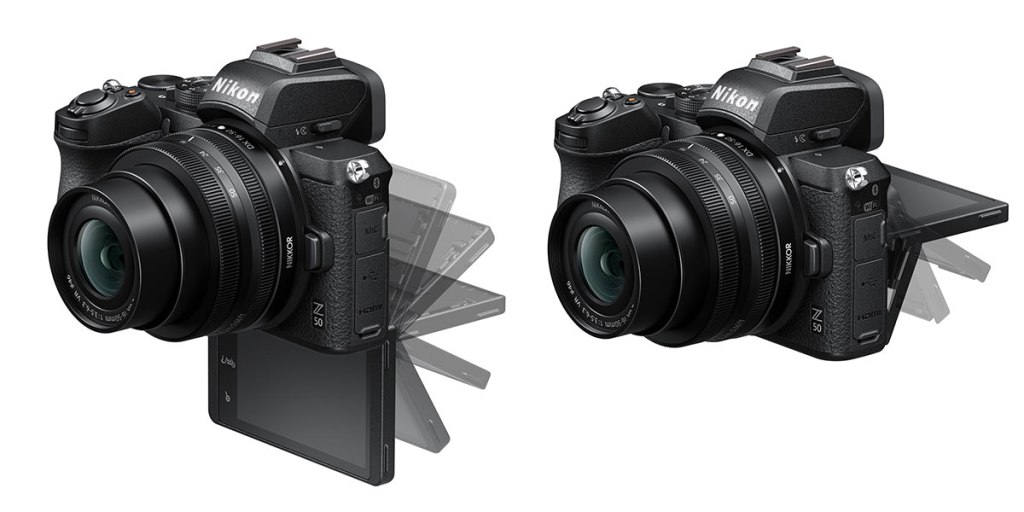
Composing photos is done using either the 3.2-inch touchscreen (which can flip to waist-mode or flip-down for vlog uses), or the 2.36million dot OLED EVF. Take note – the Z50’s flip-down screen will be in the way of the tripod mount – so vlogging with the camera will be a hand-held thing only unless you do not need the screen.

Powering the Z50 is the new EN-EL25 battery that CIPA rates at 300 shots, and the USB Micro (BOO!) port allows charging as well. Continuous shooting with the Z50 is rated at 11fps (with continuous AF). Videos are available in both 24p and 30p, but 4K video will be cropped. There is an external mic port, so great for additional microphones.

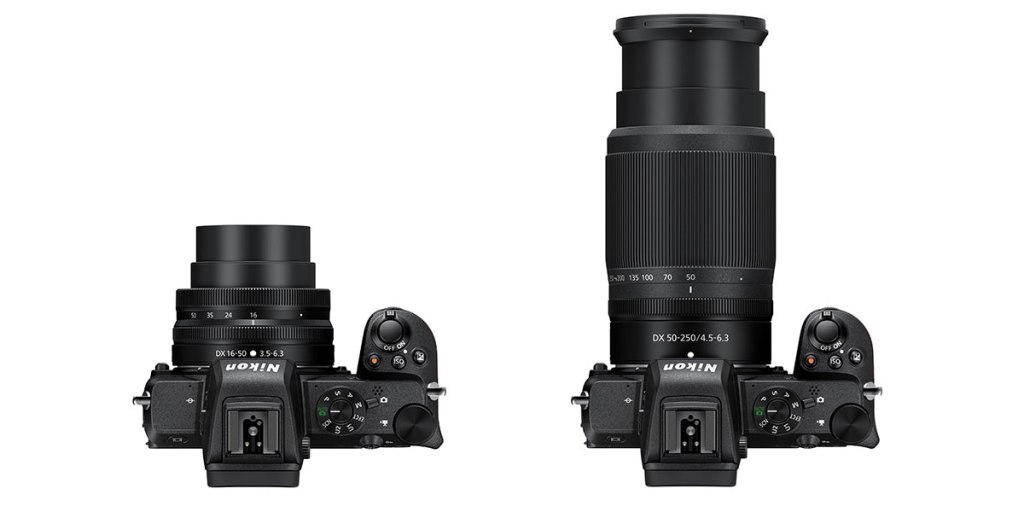
Nikkor Z DX 16-50mm F3.5-6.3 VR (left) and the Nikkor Z DX 50-250mm F4.5-6.3 VR lenses

The new Nikon Z50 will be available from November onwards for USD 859 for the body, or USD 999 with the new pancake 16-50mm lens. There is also a package for the body, 16-50mm lens and a new 50-250mm lens for USD 1349. The pancake Nikkor Z DX 16-50mm F3.5-6.3 VR offers up to 4.5 stops of image stabilization and has a built-in control ring. For longer reach, there’s the Nikkor Z DX 50-250mm F4.5-6.3 VR, which offers 5 stops of shake reduction and also has a control ring.

Sony a9 II Adds More Professional-friendly Features In Body

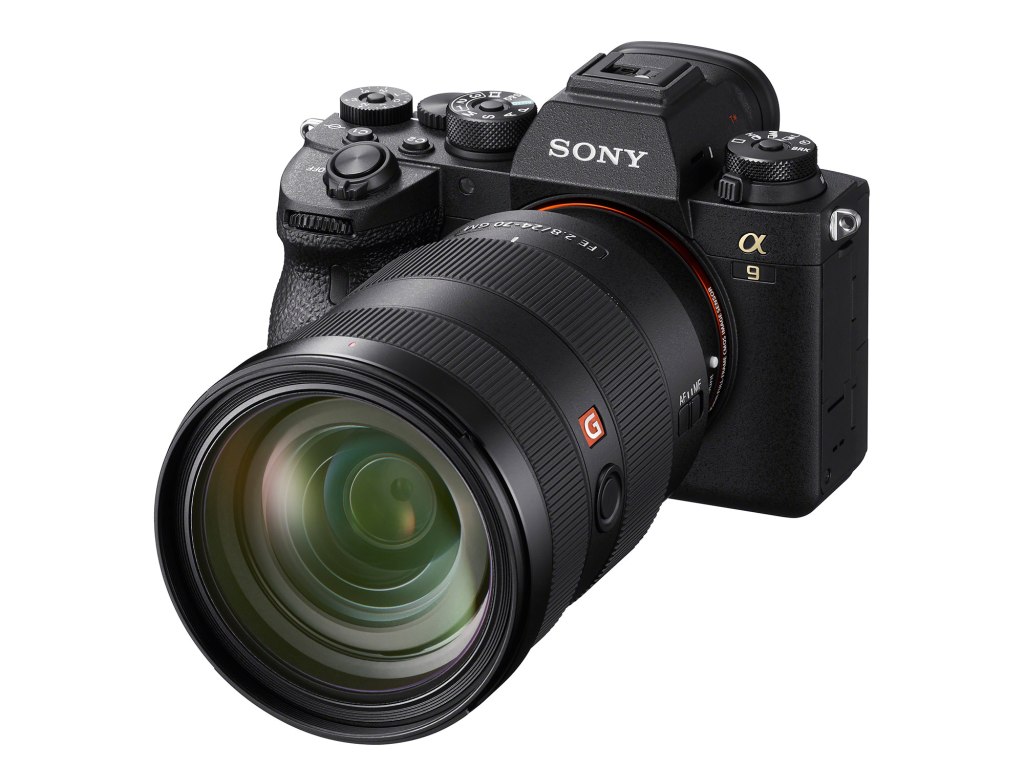
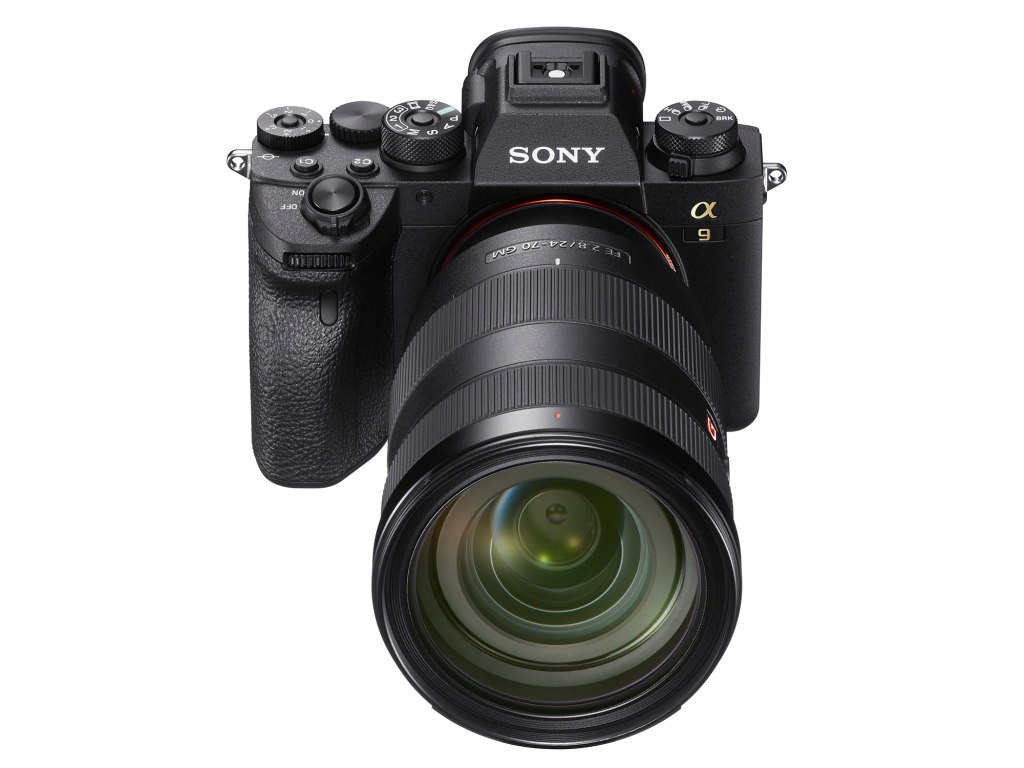
The new Sony a9 II is basically last year’s a9, with features borrowed from the a7 IV. All the features are great for the working professionals however, so it is great to have it in body.

Inside, the a9 II is still sporting the same 24MP sensor from last year, but the newer Bionz X image processor should speed things up as well deliver better image processing. It has the same 693-point on-sensor PDAF system as the a9, but with new algorithms that improve subject tracking.

New processor also equals better performance. In this case, the shooting speed with the mechanical shutter has risen toe 10fps, while the electronic shutter performance is still the same at 20fps. The a9 II has a larger grip, and better weather-sealing around ports and doors similar to that of the a7R IV.

There is a change in the layout of the camera, with the rear control dial now sitting on the top plate. Another nice added feature is charging through the USB Type-C, and transfer speeds are also better thanks to USB 3.2. Other nice functions include Gigabit Ethernet and Wifi 802.11ac.

The Sony a9 II will be available in November for USD4500 or about RM 18,820 (body only).

Huawei Mate 30 Series Officially In Malaysia; Starts From RM 2799

Malaysia was given the honour to be the second market after China to receive the Huawei Mate 30 series as both he Mate 30 and Mate 30 Pro is now available for sale in Malaysia.

As a recap, both devices are powered by Huawei’s latest chipset – the Kirin 990. Both also feature 8GB of RAM, and a quad-camera array. The Mate 30’s cameras includes a 16MP f/2.2 ultra-wide + 40MP f/1.8 SuperSensing wide + 8MP f/2.4 telephoto lens with OIS + Laser focus sensor. The Mate 30 Pro meanwhile gets  a 40MP f/1.8 ultra-wide Cine camera, a 40MP f/1.6 SuperSensing Camera, an 8MP f/2.4 Telephoto lens with OIS, and a 3D depth-sensing camera instead of laser focus.

As Huawei Mate 30 and Mate 30 Pro are shipped without the Google Mobile Services (GMS), Huawei has made the option of creating their own, called the Huawei Mobile Service (HMS), which is available with the new Mate phones.

The Huawei Mate 30 and Mate 30 Pro is available now, and priced at RM2799 and RM3899 respectively. Additionally, from 3 October until 22 October, consumers who purchases either device will be given a DJI Osmo Mobile 3, a Back Casing, SuperCharge Wireless Car Charger, and a 1-year Extended warranty and 6-months screen crack warranty under Huawei Care for free. That is a deal – but it is to be seen if the lack of Google Services will push the sales up or down in Malaysia.

GoPro Hero8 Adds New Features: Digital Lenses, Better Stabilization, Media Mod Housing And More

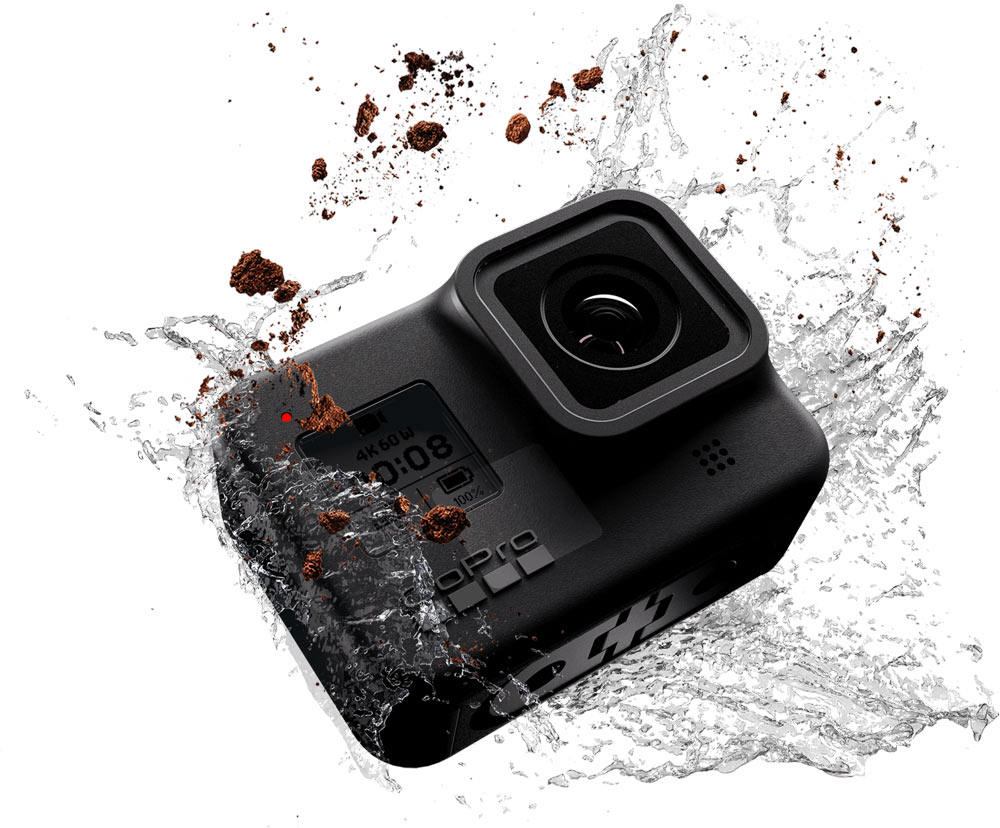
Action camera fans, heads up. The new GoPro Hero8 is now officially launched, and it brings a whole new package of features to the action camera scene.

First of all, the body. It shares the same design as the Hero7, but with minor updates here and there. It still takes 4K30p video, and now features Hypersmooth 2.0, GoPro’s second-generation stabilization technology that features a ‘Boost’ mode and an auto horizon levelling mode.

New to the Hero8 are ‘Digital Lenses’. This is a selection of presets that help crop the source of the video into four set presets – Narrow, Linear, Wide and Superview, mimicking some DLSR lens combo. There are also other included presets to help start recording right away – the ‘Cinematic’ preset the Hero8 Black will shoot 4K/30p video, in ‘Activity’ it will shoot 2.7K/60p video and in ‘Slo-Mo’ it will shoot 1080/240p video.

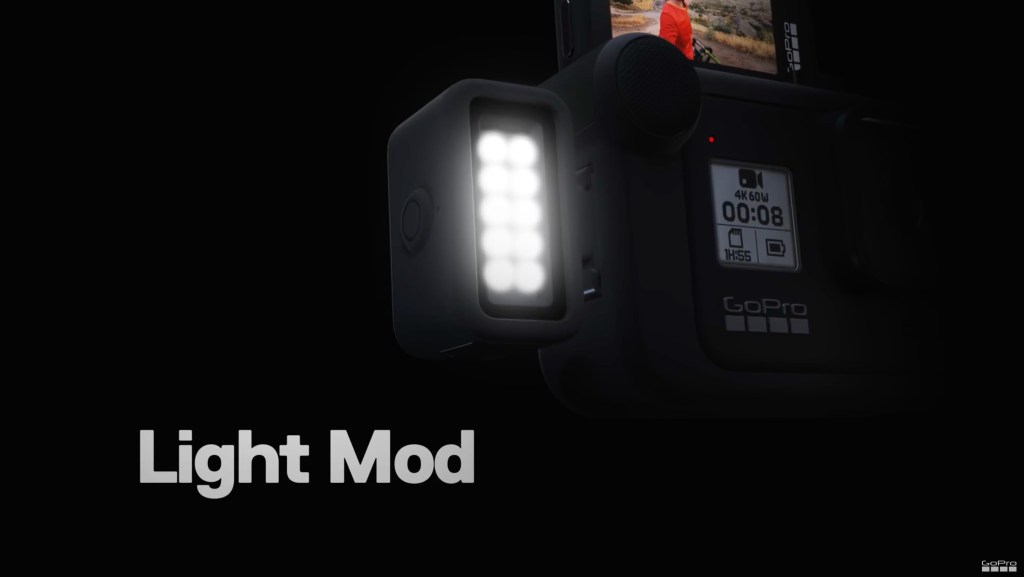
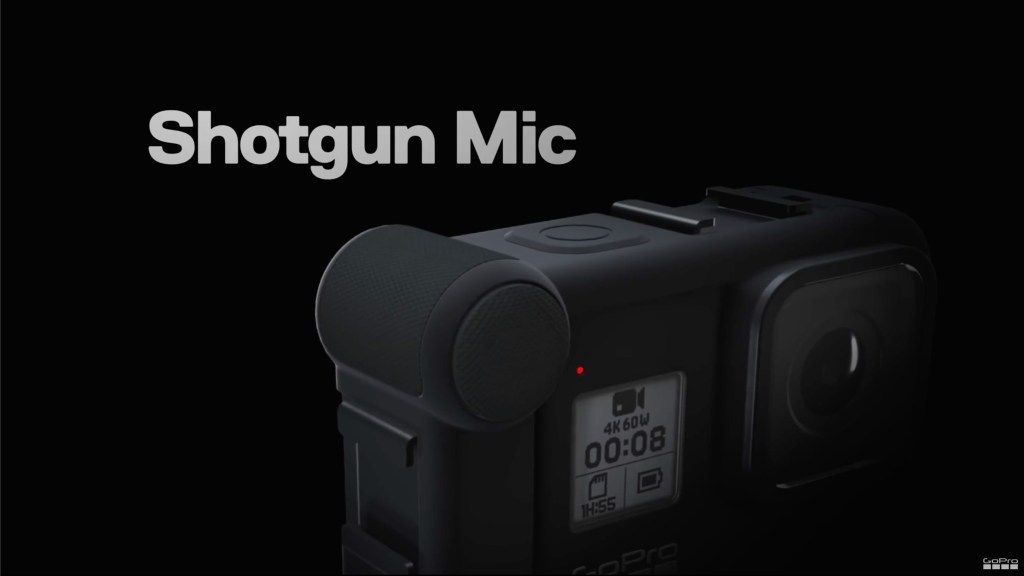
Lastly, the Hero8 now supports the Media Mod. This is basically a housing that users can add-on to the Hero8 to add functionalities. This includes a 1.9-inch flip-up screen Display Mod, a shotgun mic, external mic and more coming soon.

The GoPro Hero8 is now available for pre-order for USD399.99 (~RM1675) from 15 October onwards. The Media Mod will be priced at USD80 (~RM 335) and the Light Mod priced at USD50 (~RM210) available December onwards.

GoPro Max is A Second-gen 360 Degree Action Camera with Updated Features

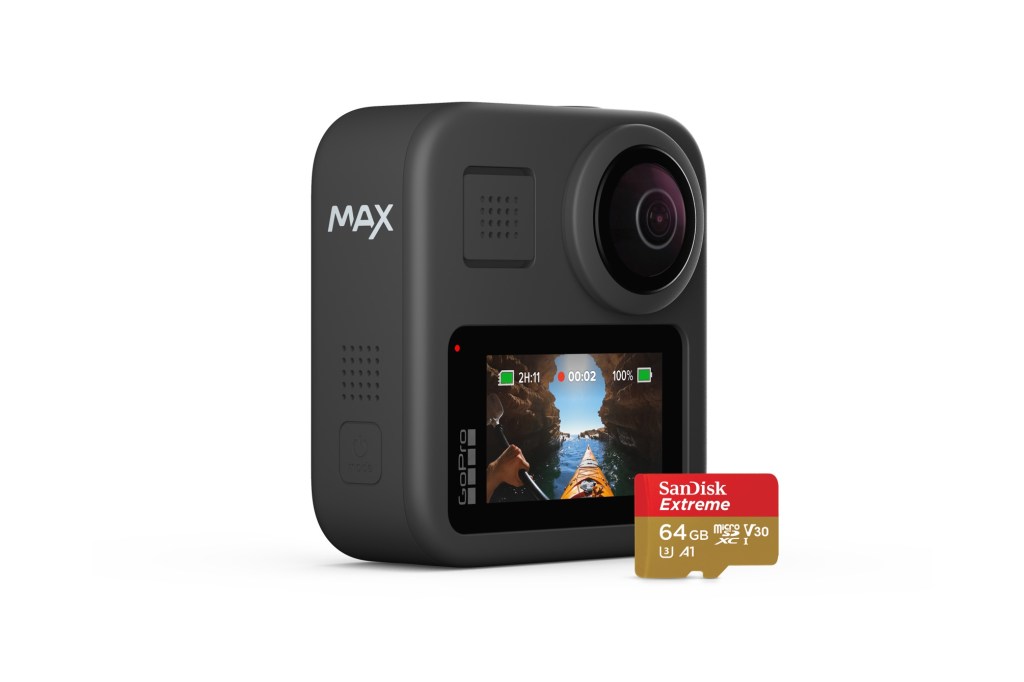
GoPro has unveiled new models in its action camera lineup. The GoPro Max is a successor to the GoPro Fusion, offering 360-degree capture capability in an action-camera body.

The Max features two cameras on either side of its rounded cuboid design. What is added to the model is a touchscreen on the other side of the bigger screen. GoPro has also managed to shrink the Max as it is smaller than the Fusion, and now works with a single microSD card.

The sensors on the Max can capture 16.6-megapixel still images (5760 x 2880 pixels) and capture full 360-degree video at up to 5K (4992 x 2496 pixels). Videos are recorded as MP4s via H.264/AVC. It can also live-stream HD video. Other modes includes modes for framing, hyperlapse and image stabilization technology in the form of Max HyperSmooth, Max TimeWarp, and ‘Digital Lenses.’ 

The built-in six microphone offers 360-degree audio capture. For added value, the camera can perform multiple functions: a standard Hero action cam, a vlogging camera (thanks to the front-facing LCD display) and a 360-degree camera. It connects to the PC through a USB-C port that transfers data and power, and a micro-HDMI port for direct viewing from the camera.

The GoPro Hero Max is available to pre-order in the USA for USD499.99 (~RM2093). It’s expected to ship October 24th with in-store availability starting on the 25th. No Malaysian availability has been announced just as yet.

Sony To Produce 8K MicroFourThirds sensors

A new document detailing an upcoming sensor for the MicroFourThirds (m43) format has been released officially by Sony. The new sensor is expected to capture up to 8K video up to 30 frames per second (fps) video.

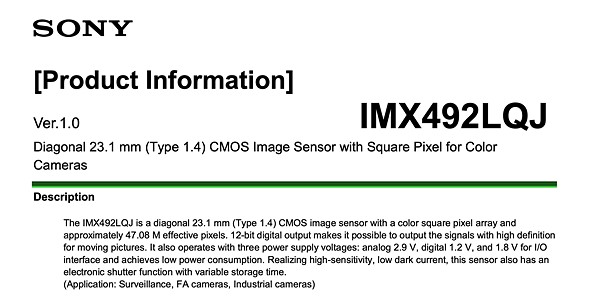
The sensor, known as IMX492LQJ (a monochrome IMX492LLJ version also exists), is listed as ‘a diagonal 23.1 mm (Type 1.4) CMOS image sensor with a color square pixel array and approximately 47.08 M effective pixels.’

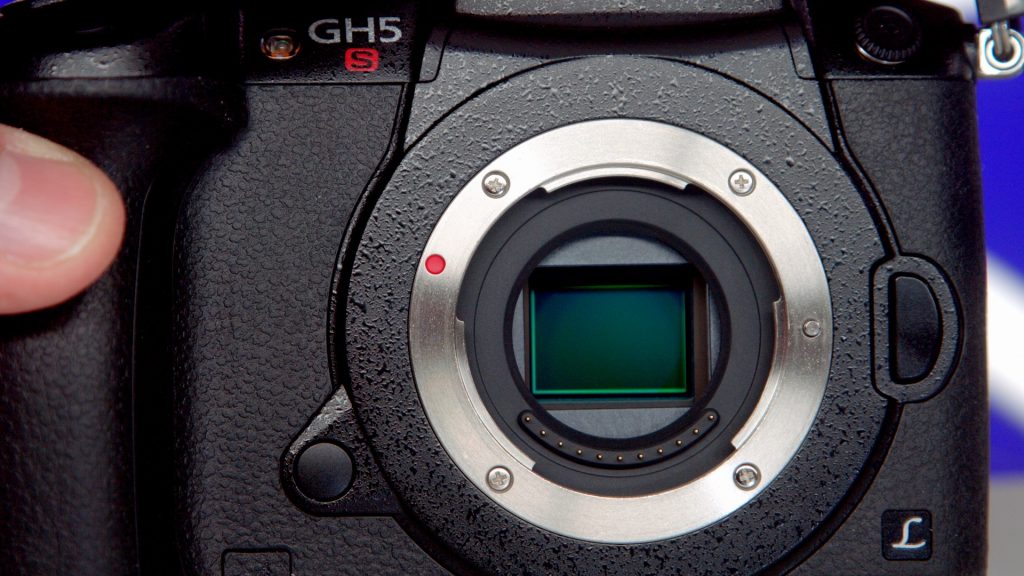
With 10-bit mode with a 17:9 crop, 8K video (8192 × 4320 pixels) at up to 30 fps when paired with an SLVS-EC output interface can be captured. This is about two times the resolution of the same sensor in the Panasonic GH5S – so we can expect the sensor to be used in the next GH-series camera and perhaps other models from Olympus and Blackmagic.

The headline of the document from Sony

No news if this will appear officially in 2020’s lineup from Panasonic and Olympus, but a big chance is that Sony will be selling this sensor to both companies for the flagship models next year.