OnePlus 8 Early Leaks Points To Punch Hole Camera And Wireless Charging Built-in

Image via OnLeaks and CashKaro

We are still waiting for the OnePlus 7T to ship, and the first leaks of the OnePlus 8 is already popping up online. The rumours circulating is that the upcoming model will have features that will make fans happy and sad – wireless charging and punch hole camera.

The early renders of the phone show a very understated yet recognizable OnePlus design language. What makes this design a bit different is the curved display – akin to the Galaxy Note 10. On the front, the notch is banished, but replaced with a punch hole camera in the corner. This is a good compromise between having a notch for the selfie camera and a pop-up camera that can complicate repairs and maintenance.

Video via CashKaro

Another feature that will be embraced by OnePlus fans is the inclusion of wireless charging, which has been missing in the line-up. With the 6.5inch display, this means the body of the phone will be bigger, and this more space to include fun stuff like Wireless Charging. No news if the wireless charging is the normal or fast variety, but knowing OnePlus, a speedy wireless charging tech is in the works.

Other info for the phone is lacking, such as the processor, camera and more. In any case, we have until 2020 to wait and see what OnePlus will have for us in the pipeline.

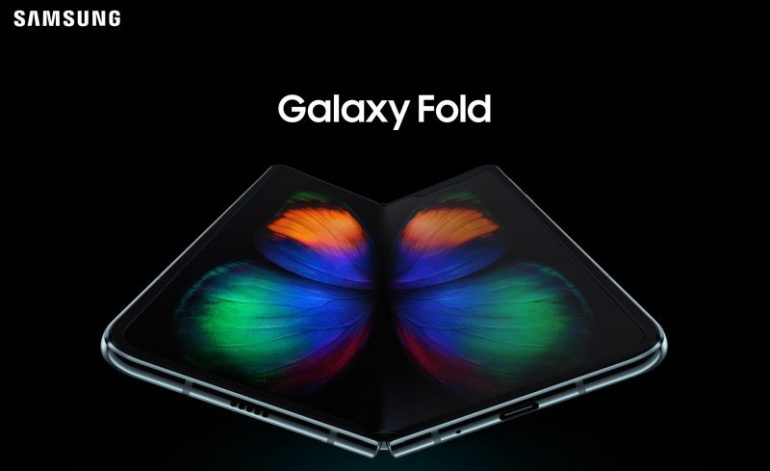
Samsung Galaxy Fold Is Official In Malaysia; Price Starts From RM 8388

The hotly anticipated device is coming soon to Malaysia – Samsung’s Galaxy Fold will be available for pre-order for consumers (at least those who has the moolah) for a cool RM 8388.

As a recap, the Galaxy Fold was previously announced then retracted its availability due to some production woes and design problems. In particular, the ease of dust and particles to slip in between the display and get lodged in it, harming the display in the process.

The device features the Qualcomm Snapdragon 855 processor, and the unique dual displays that makes the Galaxy Fold a unique standout. The smaller display is a 4.6” 720p display, located on the ‘outside’ of the fold. Meanwhile the main display is a 7.3″ full rectangle display, with a resolution of 2152 x 1536 pixels.

Video via CNET

Samsung Malaysia confirmed that the Malaysian model will be the one with the 12GB of RAM and 512GB of internal storage. Imaging on the Fold is similar to the Galaxy Note 10, with a triple sensor package of 12.0 MP + 16.0 MP + 12.0 MP.

The Samsung Galaxy fold will be priced at RM 8,388 for the Malaysian market, and receive the Galaxy Fold Premier Service package that includes 24/7 Premium Careline, free On-site Pick-Up and Delivery for Service Support within 12 months of purchase.

Sony a9 II Adds More Professional-friendly Features In Body

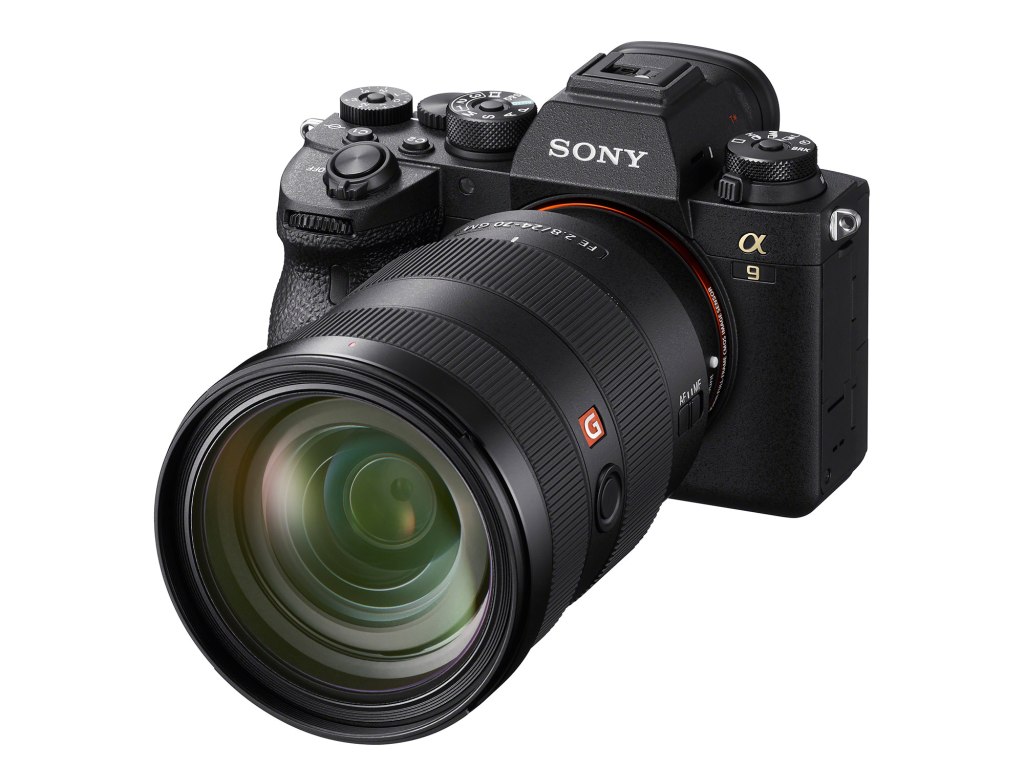
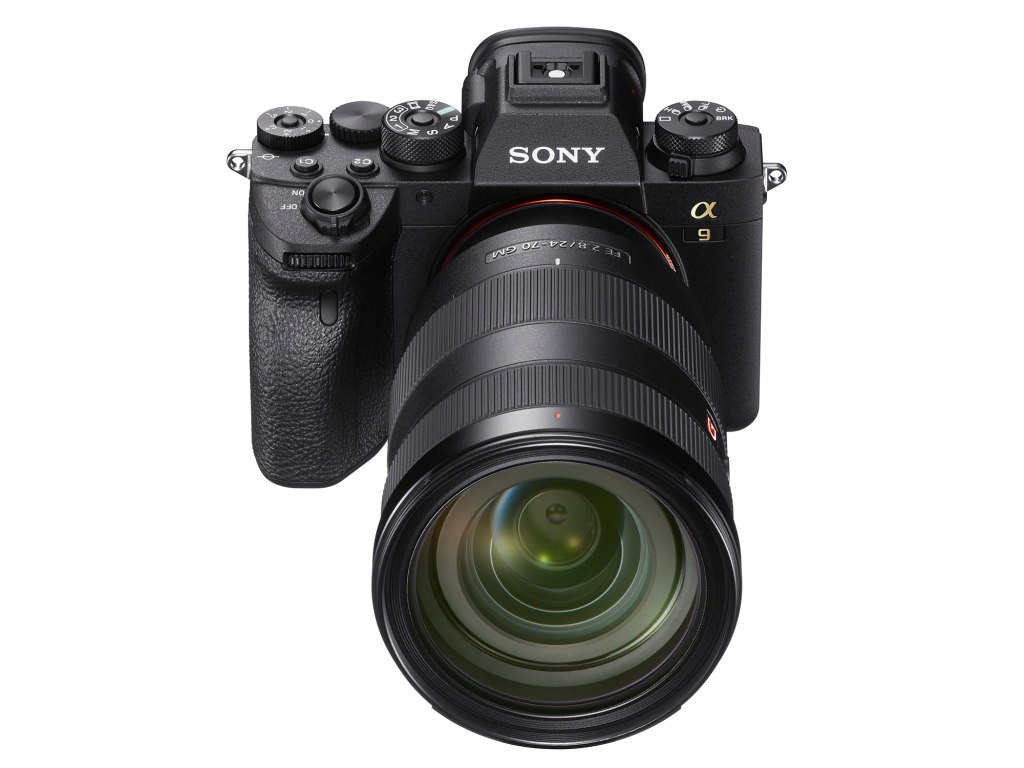
The new Sony a9 II is basically last year’s a9, with features borrowed from the a7 IV. All the features are great for the working professionals however, so it is great to have it in body.

Inside, the a9 II is still sporting the same 24MP sensor from last year, but the newer Bionz X image processor should speed things up as well deliver better image processing. It has the same 693-point on-sensor PDAF system as the a9, but with new algorithms that improve subject tracking.

New processor also equals better performance. In this case, the shooting speed with the mechanical shutter has risen toe 10fps, while the electronic shutter performance is still the same at 20fps. The a9 II has a larger grip, and better weather-sealing around ports and doors similar to that of the a7R IV.

There is a change in the layout of the camera, with the rear control dial now sitting on the top plate. Another nice added feature is charging through the USB Type-C, and transfer speeds are also better thanks to USB 3.2. Other nice functions include Gigabit Ethernet and Wifi 802.11ac.

The Sony a9 II will be available in November for USD4500 or about RM 18,820 (body only).

Microsoft Introduces The Next Stage of Computing: The Surface Neo And Surface Duo

Previously thought as just vaporware and whisperings of the tech underground, Microsoft shared with the world two new concepts for 2020 at the Surface event – the Surface Neo and the Surface Duo.

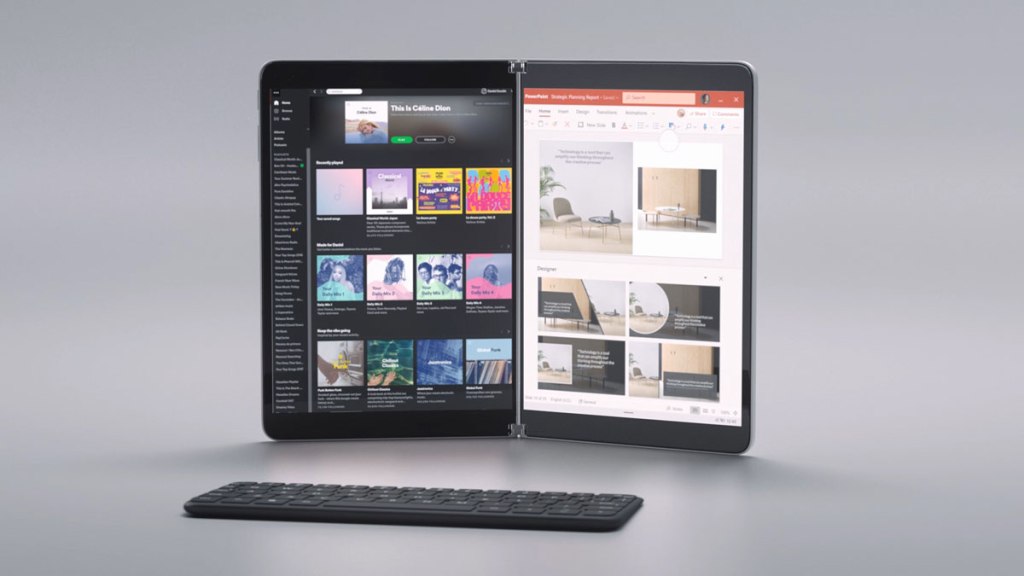
Riding on the current obsession of folding devices, the Surface Neo is a two-screened device that runs Windows 10 X, a new Windows fork designed for multi-screen portable devices. The Neo is said to run on Intel’s upcoming Lakefield processor, which one model features the combination of Atom and Sunny Cove CPU cores – essentially a big.LITTLE architecture on x86. The dual screen can be flipped 360 degrees – sort like Lenovo’s YOGA series.

A cool feature is the optional Bluetooth keyboard. The keyboard can be attached magnetically onto the back of the Neo, and then flipped onto one of the screens to turn it into a mini laptop. The Neo also works with Microsoft’s latest Surface Slim Stylus – it magnetically attaches to the top of the Neo, and also charges itself using wireless charging.

The Surfarce Duo meanwhile is the return of Microsoft to the smartphone game. It shares the same design as the Neo – only smaller. It runs Android, and from the teaser video, it is using Microsoft’s Launcher (which is available for any Android device currently). One feature looks to be omitted on the Duo are cameras – the only camera seen is for video calling/selfies.

The two devices are slated to be out by the holiday season…of 2020. Yes, Microsoft announced the devices a year early. This is no doubt to deter any leaks or speculations. Plus it can help spur its partners to create something similar for the ecosystem as well.

Microsoft Surface ProX is the Next Generation Surface Refined

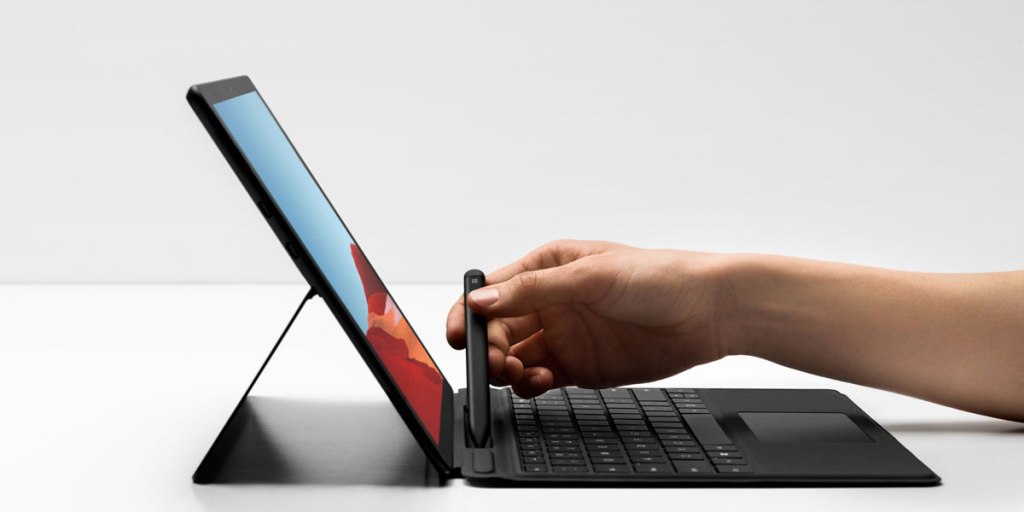
Apart from the Surface 7 and Laptop 3, Microsoft also announced a new Surface model. The ProX is the company’s slimmest Surface yet, and it runs Windows 10 on ARM.

It shares the general 3:2 display inherited from the Surface 2 formfactor, but it is now light. How light? The tablet itself is only about 750 grams. When you add on the type-cover, it goes up to almost a kilo. Almost.

The new Type-cover for the ProX hides a special gimmick – at the fold, the new slim Surface pen lives and wirelessly charges. The keys on type-cover is the same as the one we love.

Inside of the ProX is Microsoft’s own cipset – the SQ1. It was co-developed with Snapdragon, and may include elements from the Snapdragon 8cx. The 13-inch screen is the same Pixel Sense screen tech as other surfaces, so the display quality will be good.

As it is running on ARM, expect good battery life on the ProX. Plus it is running Windows 10, so productivity will be great for users. Additionally, users can upgrade the storage of the ProX easily through an access panel located under the kickstand. Two USB Type-C completes the package.

The Microsoft Surface ProX will start from USD 999 (~RM 4187) when it ships in mid November.

GoPro Hero8 Adds New Features: Digital Lenses, Better Stabilization, Media Mod Housing And More

Action camera fans, heads up. The new GoPro Hero8 is now officially launched, and it brings a whole new package of features to the action camera scene.

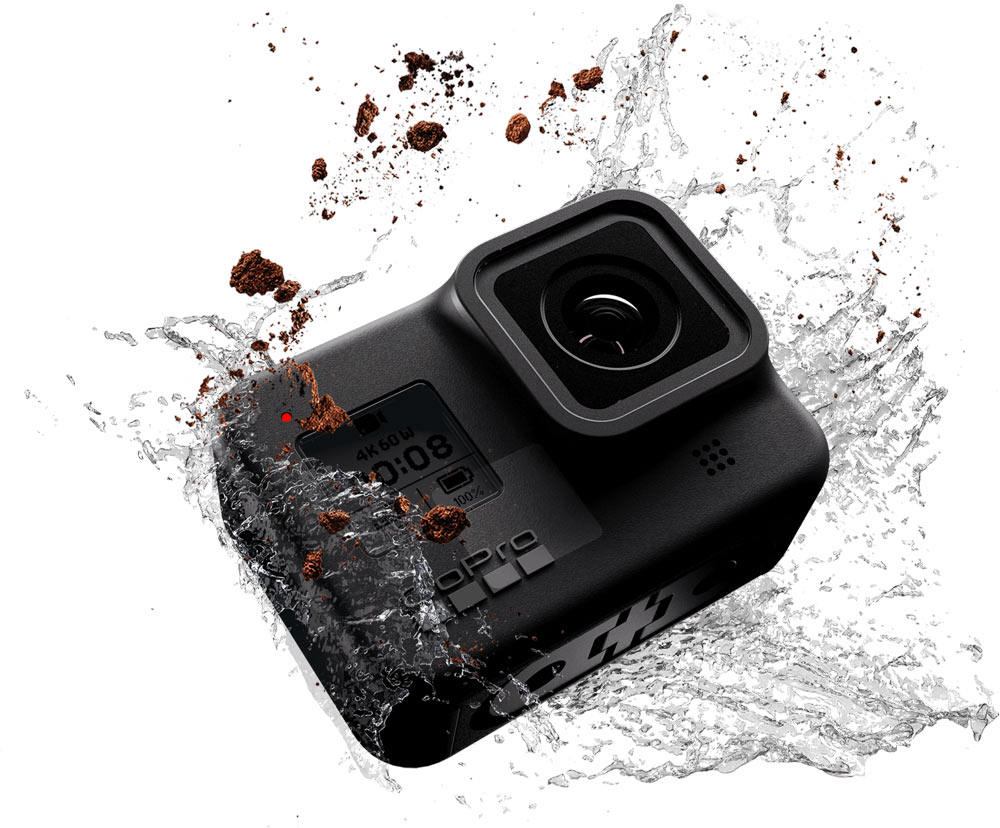
First of all, the body. It shares the same design as the Hero7, but with minor updates here and there. It still takes 4K30p video, and now features Hypersmooth 2.0, GoPro’s second-generation stabilization technology that features a ‘Boost’ mode and an auto horizon levelling mode.

New to the Hero8 are ‘Digital Lenses’. This is a selection of presets that help crop the source of the video into four set presets – Narrow, Linear, Wide and Superview, mimicking some DLSR lens combo. There are also other included presets to help start recording right away – the ‘Cinematic’ preset the Hero8 Black will shoot 4K/30p video, in ‘Activity’ it will shoot 2.7K/60p video and in ‘Slo-Mo’ it will shoot 1080/240p video.

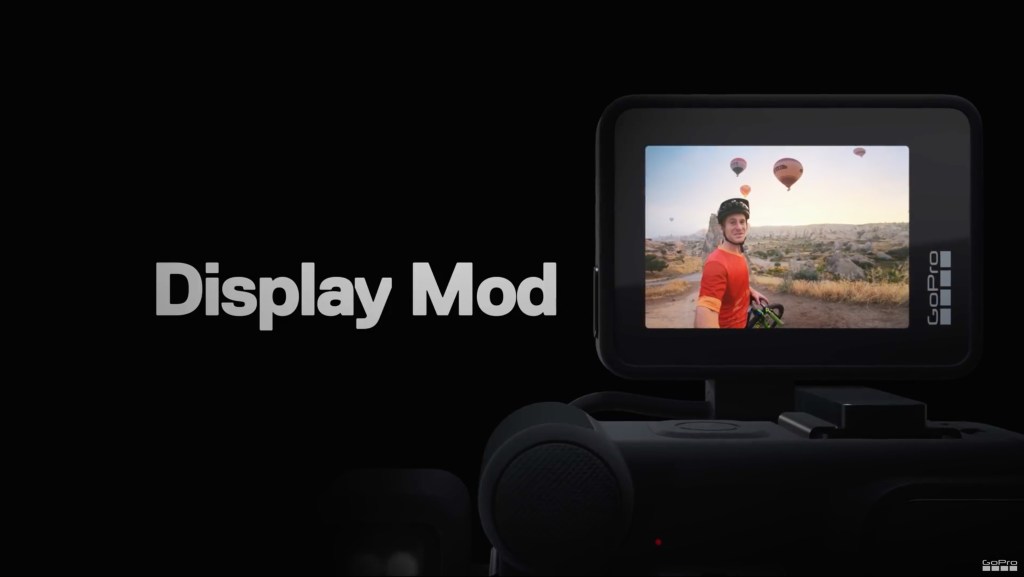
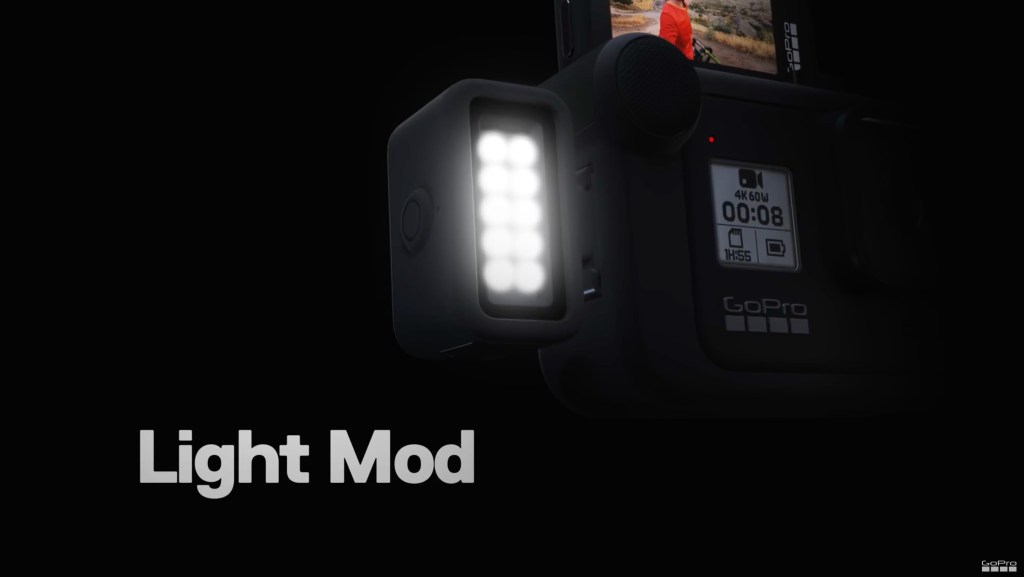
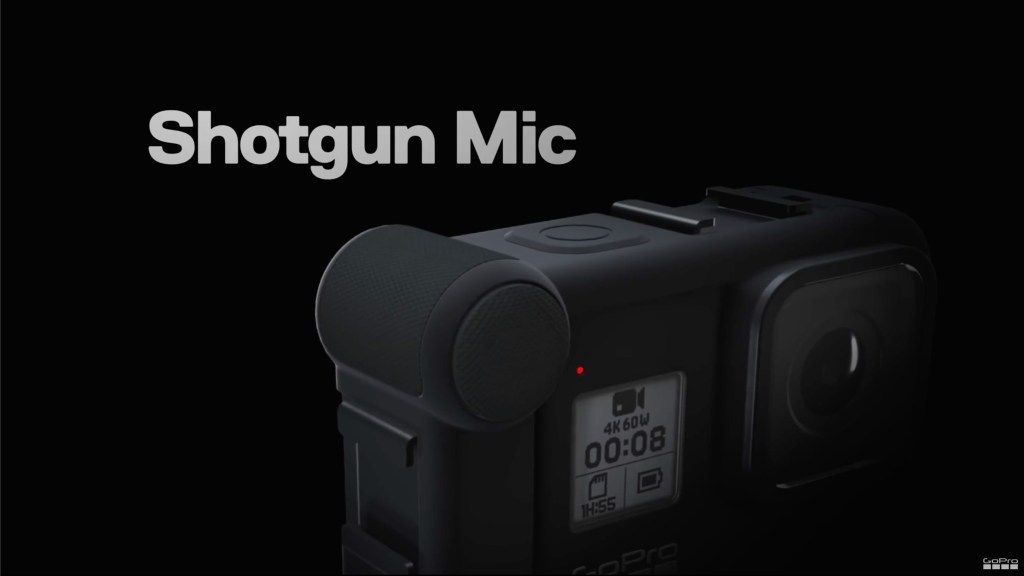
Lastly, the Hero8 now supports the Media Mod. This is basically a housing that users can add-on to the Hero8 to add functionalities. This includes a 1.9-inch flip-up screen Display Mod, a shotgun mic, external mic and more coming soon.

The GoPro Hero8 is now available for pre-order for USD399.99 (~RM1675) from 15 October onwards. The Media Mod will be priced at USD80 (~RM 335) and the Light Mod priced at USD50 (~RM210) available December onwards.

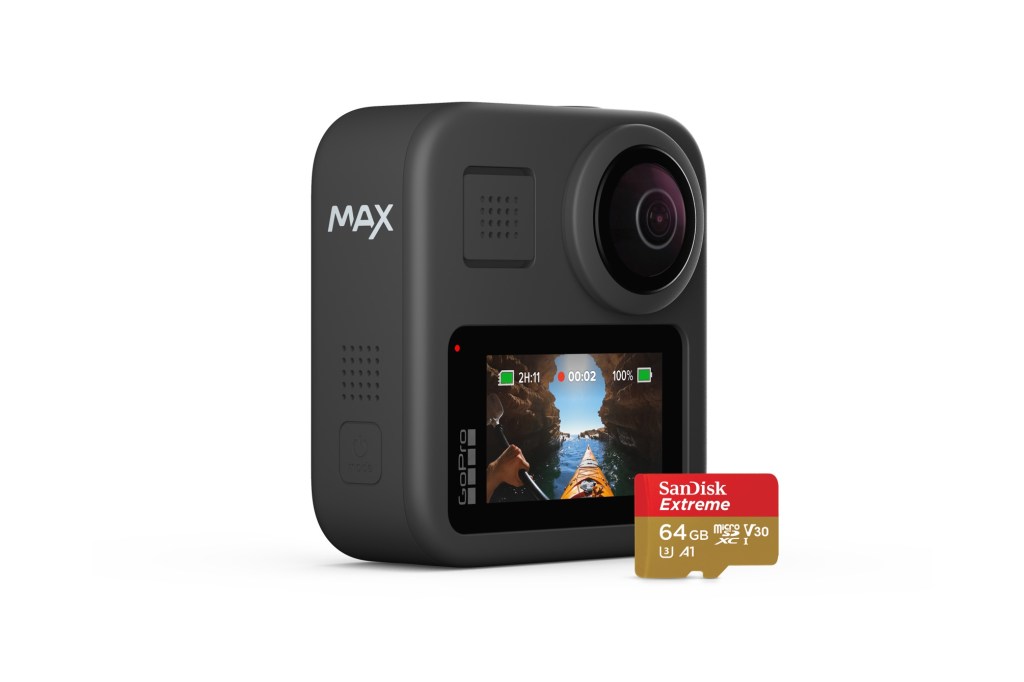
GoPro Max is A Second-gen 360 Degree Action Camera with Updated Features

GoPro has unveiled new models in its action camera lineup. The GoPro Max is a successor to the GoPro Fusion, offering 360-degree capture capability in an action-camera body.

The Max features two cameras on either side of its rounded cuboid design. What is added to the model is a touchscreen on the other side of the bigger screen. GoPro has also managed to shrink the Max as it is smaller than the Fusion, and now works with a single microSD card.

The sensors on the Max can capture 16.6-megapixel still images (5760 x 2880 pixels) and capture full 360-degree video at up to 5K (4992 x 2496 pixels). Videos are recorded as MP4s via H.264/AVC. It can also live-stream HD video. Other modes includes modes for framing, hyperlapse and image stabilization technology in the form of Max HyperSmooth, Max TimeWarp, and ‘Digital Lenses.’ 

The built-in six microphone offers 360-degree audio capture. For added value, the camera can perform multiple functions: a standard Hero action cam, a vlogging camera (thanks to the front-facing LCD display) and a 360-degree camera. It connects to the PC through a USB-C port that transfers data and power, and a micro-HDMI port for direct viewing from the camera.

The GoPro Hero Max is available to pre-order in the USA for USD499.99 (~RM2093). It’s expected to ship October 24th with in-store availability starting on the 25th. No Malaysian availability has been announced just as yet.

Sony To Produce 8K MicroFourThirds sensors

A new document detailing an upcoming sensor for the MicroFourThirds (m43) format has been released officially by Sony. The new sensor is expected to capture up to 8K video up to 30 frames per second (fps) video.

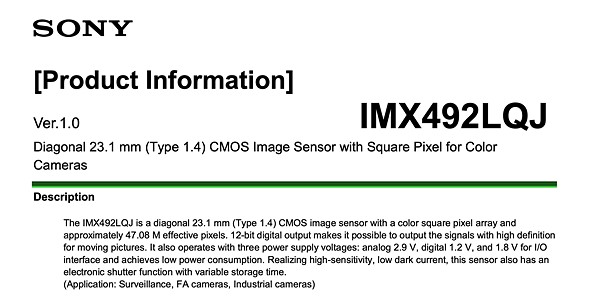
The sensor, known as IMX492LQJ (a monochrome IMX492LLJ version also exists), is listed as ‘a diagonal 23.1 mm (Type 1.4) CMOS image sensor with a color square pixel array and approximately 47.08 M effective pixels.’

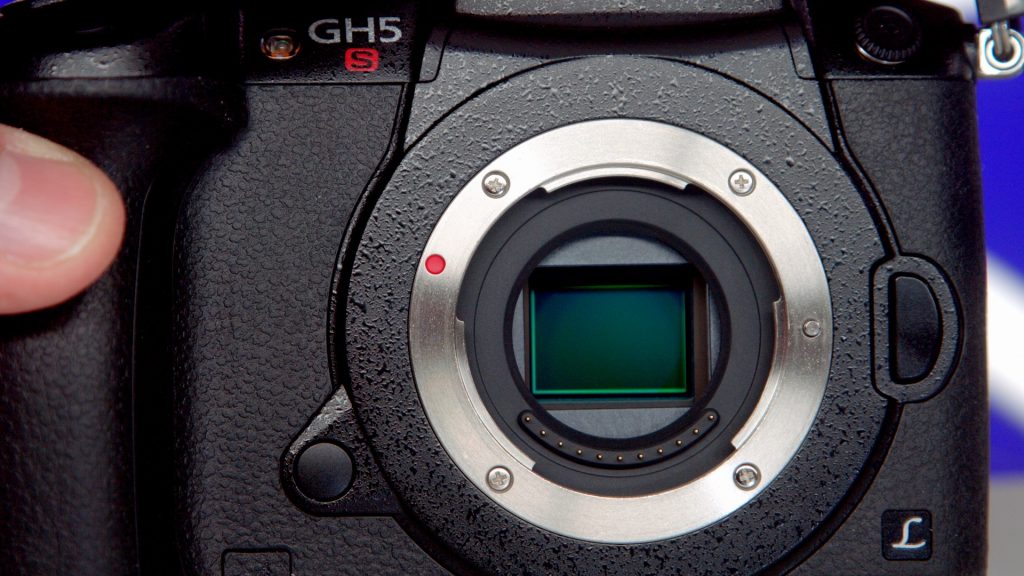
With 10-bit mode with a 17:9 crop, 8K video (8192 × 4320 pixels) at up to 30 fps when paired with an SLVS-EC output interface can be captured. This is about two times the resolution of the same sensor in the Panasonic GH5S – so we can expect the sensor to be used in the next GH-series camera and perhaps other models from Olympus and Blackmagic.

The headline of the document from Sony

No news if this will appear officially in 2020’s lineup from Panasonic and Olympus, but a big chance is that Sony will be selling this sensor to both companies for the flagship models next year.

Next Samsung Flagship To Feature 108MP Sensor and Periscope Lens

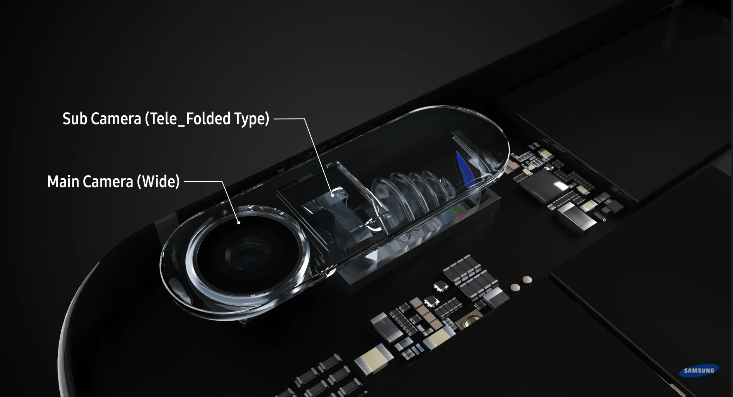
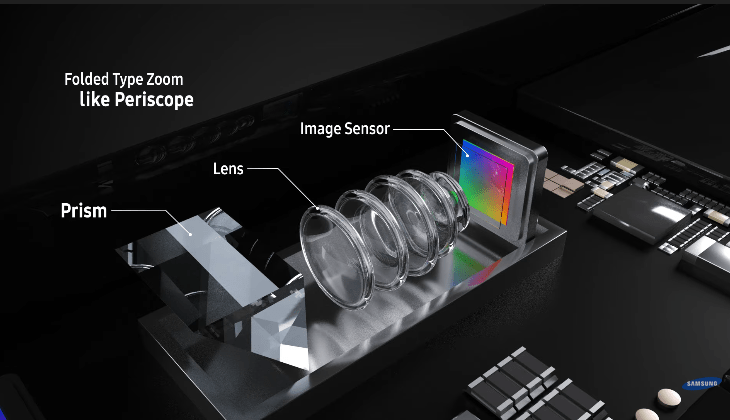
Next year’s Samsung S11 model is expected to be a game changer for the company in terms of photography. This is as reports shared online states that Samsung is set to feature both a 108MP sensor for the main camera and a 5x periscope lens for telephoto.

The 108MP sensor is already in use by the Mi Mix Alpha, and the periscope lens for the telephoto sensor most likely be inspired by ones already on OPPO phones.

Render of the new Samsung periscope camera

Like modern smartphones, the telephoto lens is more about capturing details to enhance crop of the main sensor, in this case the 108MP sensor. When binned, the 108MP sensor will output 27MP images that is expected to trounce any sensor that Samsung has created so far.

Spring 2020 is the expected launch date for the new S series model, and it is expected that the two cameras will be front and centre as the flagship feature for 2020’s flagship design.

Canon M200 Is Company’s Smallest Mirrorless; 4K30p recording available, but with a caveat

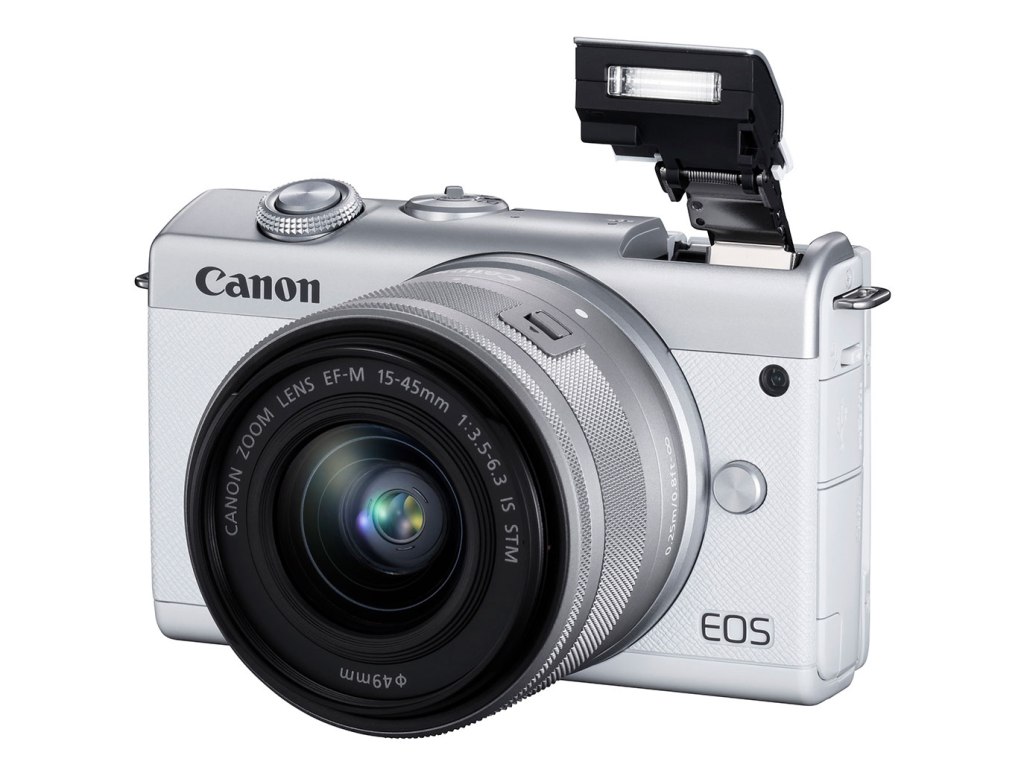
Canon has just announced the latest entry to its M-line of mirrorless camera. The M200 is the sequel to the M100 compact mirrorless camera, and it brings slight improvement to a relatively successful model line.

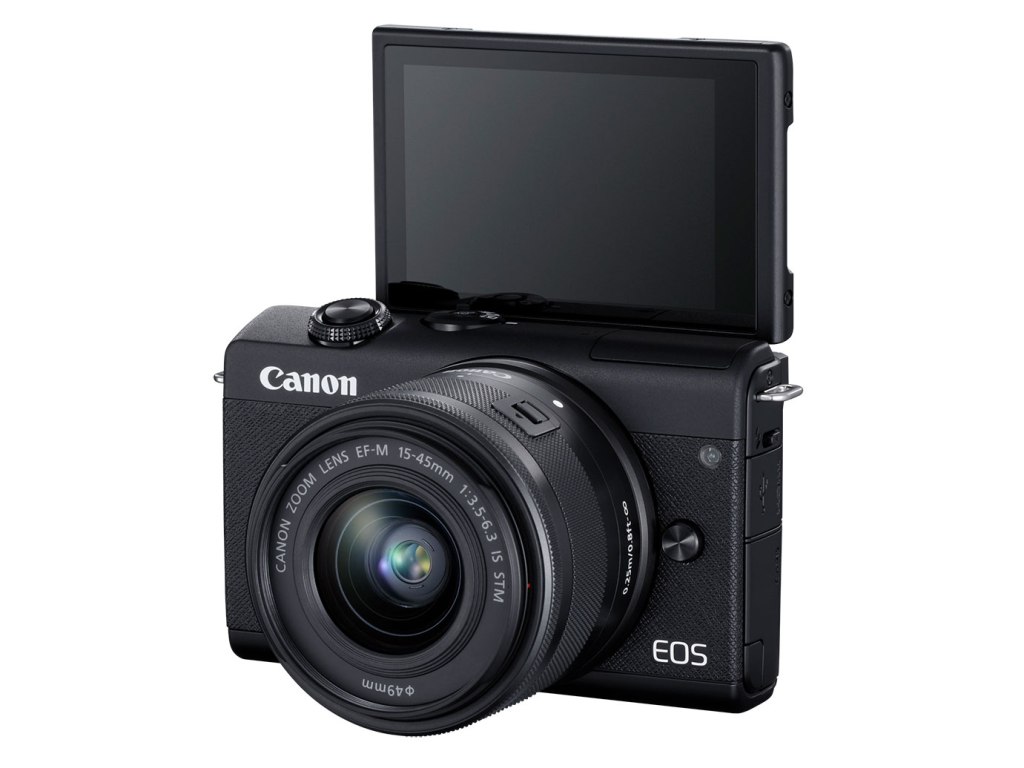
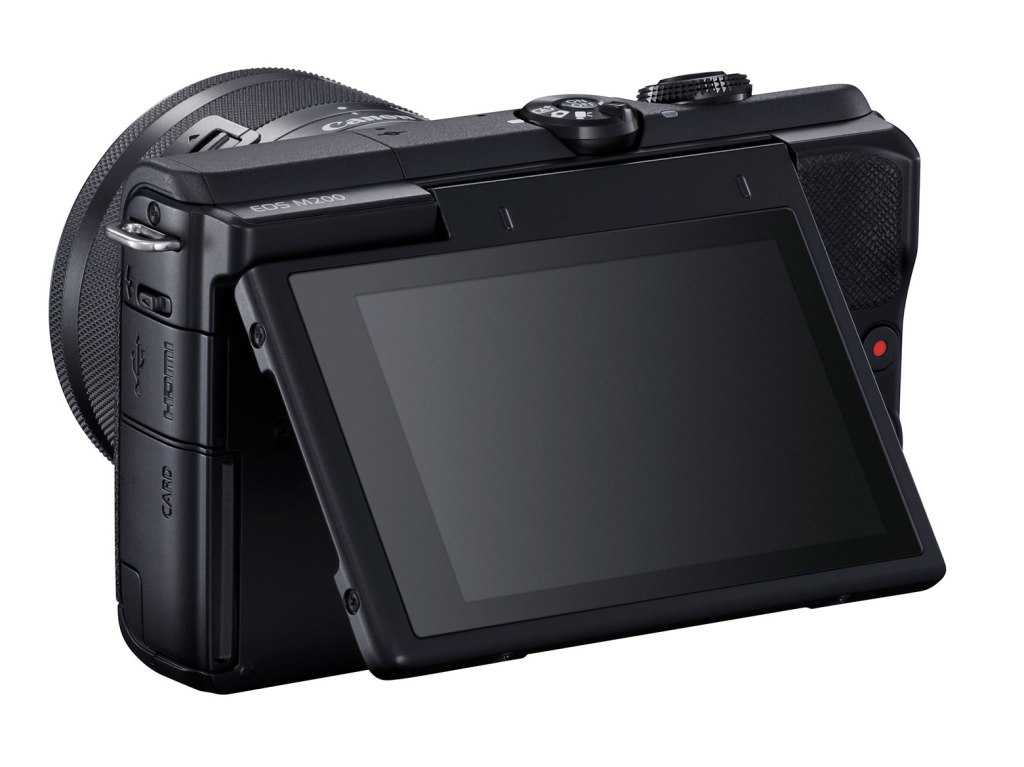
The design of the M200 borrows heavily from the original M100. What is added is the new DiGiC 8 image processor to process the images taken with the 24MP CMOS APS-C sensor, a new flip-up touchscreen for vlogging/selfies and an updated Dual-Pixel autofocus that adds on eye detection.

Otherwise, the M200 will work with all current M Lenses, and accessories that has been created for the M100. The battery life is also about the same – 300-ish shots per charge.

The EOS M200 will be available in October in the US, bundled with the collapsible 15-45mm F3.5-6.3 IS STM lens for USD549 (~RM 2302). No news of Malaysian availability as of yet.